

Financial distress in Singapore is a growing concern, with the number of individual insolvencies rising significantly in recent years. According to recent data from the Ministry of Law, the volume of bankruptcy filings has increased, reflecting broader economic pressures on households. Navigating this landscape requires a clear understanding of the legal mechanisms available, specifically Debt Restructuring and Personal Bankruptcy. This guide outlines the critical differences, procedural requirements, and strategic implications of each path to help you make an informed decision. (Cross Border Money Transfers)
Understanding the Options: Debt Restructuring vs Bankruptcy
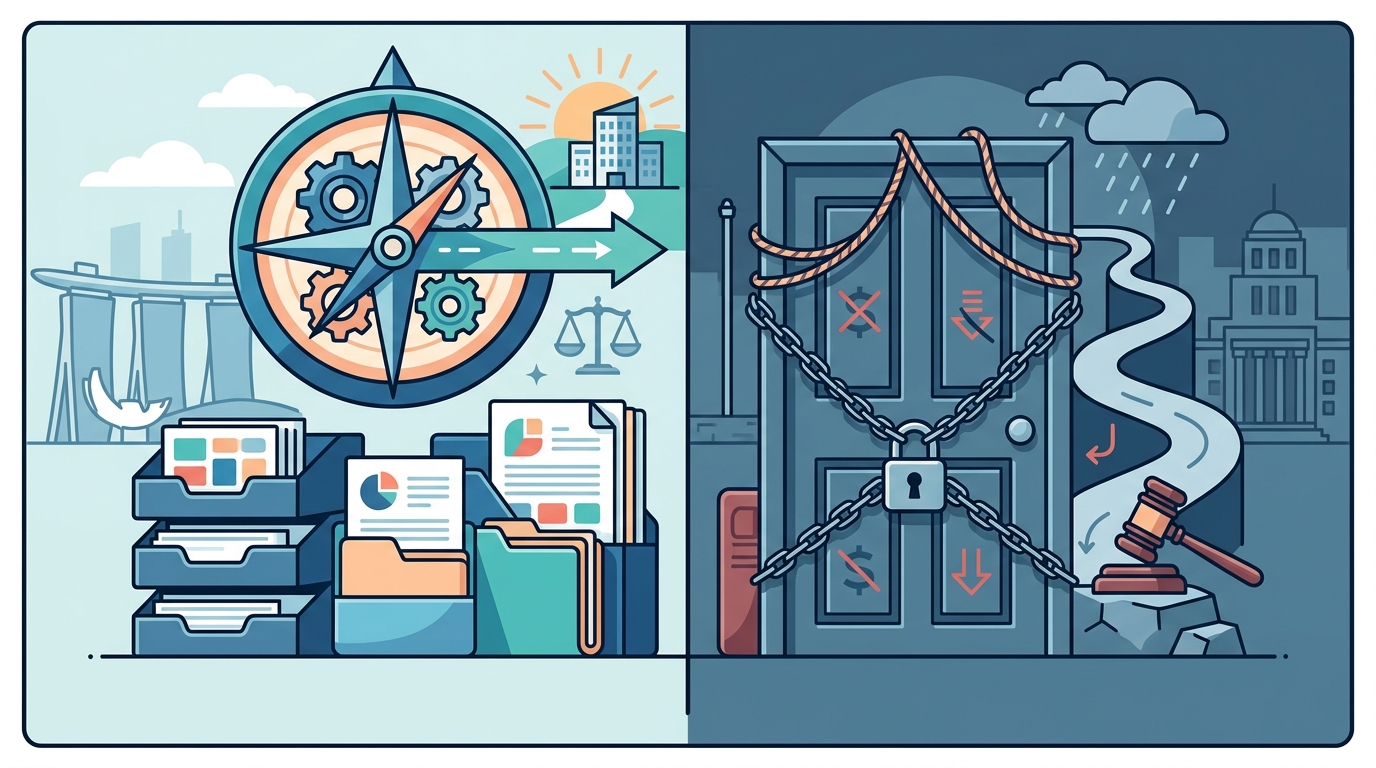
When facing overwhelming debt, individuals in Singapore generally have two primary legal avenues: the Debt Restructuring Framework (DRF) and Personal Bankruptcy. Debt Restructuring is a formal process that allows individuals to negotiate with creditors to restructure their debts into a manageable repayment plan without going bankrupt. In contrast, Personal Bankruptcy is a legal status declared by the court when an individual is unable to pay their debts, leading to the liquidation of assets to repay creditors.
The choice between these two paths is not merely procedural; it is strategic. Debt Restructuring is often preferred because it allows individuals to retain their assets, such as their home or car, and maintain their credit standing to some extent. Bankruptcy, while it provides a fresh start, carries severe long-term consequences including restrictions on travel, employment, and financial activities.
The Debt Restructuring Framework
The Debt Restructuring Framework (DRF) was introduced to provide a more humane and effective alternative to bankruptcy for individuals who are insolvent but have a viable path to repayment. It is designed for individuals with a steady income who can afford to pay back a portion of their debts over time.
Eligibility Criteria
To qualify for the DRF, individuals must meet specific criteria. You must be an individual with a net personal assets not exceeding SGD 50 million and a net annual income not exceeding SGD 2 million. Additionally, your total debt must be at least SGD 10,000. You must also be unable to pay your debts as they fall due.
The Process
The DRF process involves several key steps. First, you must engage a licensed insolvency practitioner (IP) to assist you. The IP will review your financial situation and help you draft a Debt Repayment Plan (DRP). This plan outlines how you propose to repay your creditors over a period of up to five years. The plan must be approved by at least 50% of your creditors by value. If approved, the plan becomes binding on all creditors, providing you with legal protection from further legal action.
For more details on how insolvency practitioners operate, you can visit the Insolvency Practitioners Association website, which provides resources on the regulatory framework.
The Personal Bankruptcy Process
If Debt Restructuring is not viable, or if your creditors do not agree to a DRP, you may need to consider Personal Bankruptcy. This is a more severe legal step taken when an individual is unable to pay their debts and has no realistic prospect of doing so.
Bankruptcy Petition
A bankruptcy petition can be filed by a creditor or by the individual themselves. If filed by a creditor, they must be owed at least SGD 15,000. The petition is filed with the High Court. Once the petition is filed, a statutory demand is served on the debtor. If the debt is not paid or compromised within 21 days, the creditor may proceed with the bankruptcy petition.
Adjudication and Interim Receiver
Upon filing the petition, the court will appoint an Official Assignee (OA) from the Ministry of Law to act as the interim receiver. The OA will take control of your assets and investigate your financial affairs. If the court is satisfied that you are unable to pay your debts, it will make a bankruptcy order. This order officially declares you bankrupt.
Understanding the legal implications of such orders is crucial. For context on legal precedents, you may refer to Singapore's Supreme Court archives for relevant case law.
Discharge from Bankruptcy
Bankruptcy in Singapore is not permanent. You can apply for discharge from bankruptcy after a certain period, typically three to five years, depending on your cooperation with the OA and your financial conduct. However, discharge does not erase all debts, such as student loans or fines, and you will still be subject to certain restrictions during the bankruptcy period.
Comparing Outcomes and Consequences
The decision between Debt Restructuring and Bankruptcy hinges on the long-term impact on your life and finances. The table below summarizes the key differences.
| Feature | Debt Restructuring Framework (DRF) | Personal Bankruptcy |
|---|---|---|
| Asset Retention | You retain your assets, including home and car. | Assets are liquidated by the Official Assignee. |
| Credit Rating | Impact is less severe; credit rating improves post-plan. | Severe impact; credit rating remains poor for years. |
| Duration | Up to 5 years for the repayment plan. | 3-5 years minimum before discharge application. |
| Travel Restrictions | No travel restrictions. | Must seek permission to travel abroad. |
| Employment | Can continue working in most roles. | Restricted from being a company director or managing business. |
It is important to note that the legal landscape is dynamic. For the latest updates on insolvency laws, refer to the Ministry of Law Singapore official portal.
Key Takeaways
- Debt Restructuring is a viable alternative to bankruptcy for individuals with a steady income and debts over SGD 10,000.
- Bankruptcy involves asset liquidation and severe restrictions on travel, employment, and financial activities.
- Eligibility for DRF requires net personal assets under SGD 50 million and annual income under SGD 2 million.
- Creditor approval is required for a Debt Repayment Plan, needing at least 50% by value.
- Bankruptcy discharge is not automatic and depends on cooperation with the Official Assignee.
- Legal advice is critical to navigate the complexities of insolvency proceedings effectively.
- Early intervention can prevent the escalation of debt and protect your financial future.
Frequently Asked Questions
What is the minimum debt amount to file for bankruptcy in Singapore?
A creditor must be owed at least SGD 15,000 to file a bankruptcy petition against you. If you file voluntarily, there is no minimum debt amount, but you must be unable to pay your debts as they fall due.
Can I keep my HDB flat if I am bankrupt?
Generally, no. Your HDB flat is considered an asset and may be liquidated by the Official Assignee to repay creditors. However, there are specific exemptions and considerations depending on the value of the flat and other assets.
How long does the Debt Restructuring Framework last?
The Debt Repayment Plan under the DRF typically lasts for up to five years. During this time, you make regular payments to the licensed insolvency practitioner, who distributes them to your creditors.
What are the consequences of being declared bankrupt?
Consequences include loss of assets, restrictions on traveling abroad, inability to act as a company director, and significant damage to your credit rating. You will also be subject to supervision by the Official Assignee.
Is professional help required for debt restructuring?
Yes, you must engage a licensed insolvency practitioner to assist you with the DRF. They will help you draft the Debt Repayment Plan and negotiate with your creditors.
Can I apply for bankruptcy if I have no income?
Yes, if you are unable to pay your debts and have no realistic prospect of doing so, you may file for bankruptcy. However, the Official Assignee will investigate your financial affairs thoroughly.
How do I contact IRB Law for assistance?
You can contact IRB Law LLP for professional legal advice on debt restructuring and bankruptcy. Visit our Contact Us page to schedule a consultation.
Take Control of Your Financial Future
Navigating debt restructuring or bankruptcy is a complex legal journey that requires expert guidance. At IRB Law LLP, we provide comprehensive legal services to help you manage your financial distress effectively. Our team of experienced lawyers specializes in insolvency and debt recovery, offering tailored solutions to protect your interests.
Do not face this challenge alone. Contact us today to discuss your options and develop a strategic plan for your financial recovery. Visit our home page to learn more about our services or call us at +65 6298 2537.