

Debt Restructuring vs Personal Bankruptcy in Singapore: A Legal Guide
Financial distress in Singapore is a growing concern, with millions of dollars lost to scams and economic pressures. According to recent data, Singaporeans lost almost $3.88 billion to scams between 2020 and September 2025. This massive financial drain has left many individuals seeking legal pathways to manage unmanageable debt. Understanding the distinction between debt restructuring and personal bankruptcy is critical for anyone facing insolvency. The choice between these two legal mechanisms can determine your financial future, credit rating, and ability to retain assets.
Understanding Insolvency and Debt Relief
Insolvency occurs when an individual cannot pay their debts as they fall due. In Singapore, the legal framework provides specific avenues for relief, primarily governed by the Insolvency, Restructuring and Dissolution Act 2018 (IRDA). For individuals, the two main options are Individual Voluntary Arrangements (IVA) under debt restructuring and formal bankruptcy proceedings.
Debt restructuring is often viewed as a more collaborative approach. It involves negotiating with creditors to pay off debts over a longer period. On the other hand, bankruptcy is a legal status declared by the courts when an individual is unable to repay their debts. While bankruptcy offers a fresh start, it carries significant social and professional consequences. IRB Law LLP provides expert guidance in both areas, ensuring clients navigate these complex waters with trust and integrity.
Debt Restructuring Explained
Debt restructuring, specifically through an Individual Voluntary Arrangement (IVA), allows individuals to propose a repayment plan to their creditors. This process is designed to help those who have a steady income but are struggling with debt obligations. The goal is to reach an agreement where creditors accept a portion of the debt or extended payment terms.
How an IVA Works
An IVA is a formal agreement between you and your creditors. It is supervised by a licensed insolvency practitioner. If the majority of your creditors agree to the proposal, the arrangement becomes binding on all creditors. This means they cannot take further legal action against you for the debts included in the arrangement.
One of the primary advantages of debt restructuring is that it allows you to retain your assets, such as your home or car, provided you continue to make payments as agreed. This is a significant benefit compared to bankruptcy, where assets may be liquidated to pay off creditors. For more information on how to start this process, you can explore our Bankruptcy, Restructuring & Insolvency services.
Eligibility and Requirements
To qualify for an IVA, you must have a regular income and be able to propose a realistic repayment plan. The insolvency practitioner will assess your financial situation, including your income, expenses, and assets. If the proposal is deemed fair and feasible, it is presented to your creditors for voting. Creditors must represent at least 50% in value of the total debt to approve the arrangement.
IRB Law LLP assists clients in preparing comprehensive financial statements and negotiating with creditors to ensure the best possible outcome. Our team understands the nuances of the legal steps involved in restructuring, ensuring that your rights are protected throughout the process.
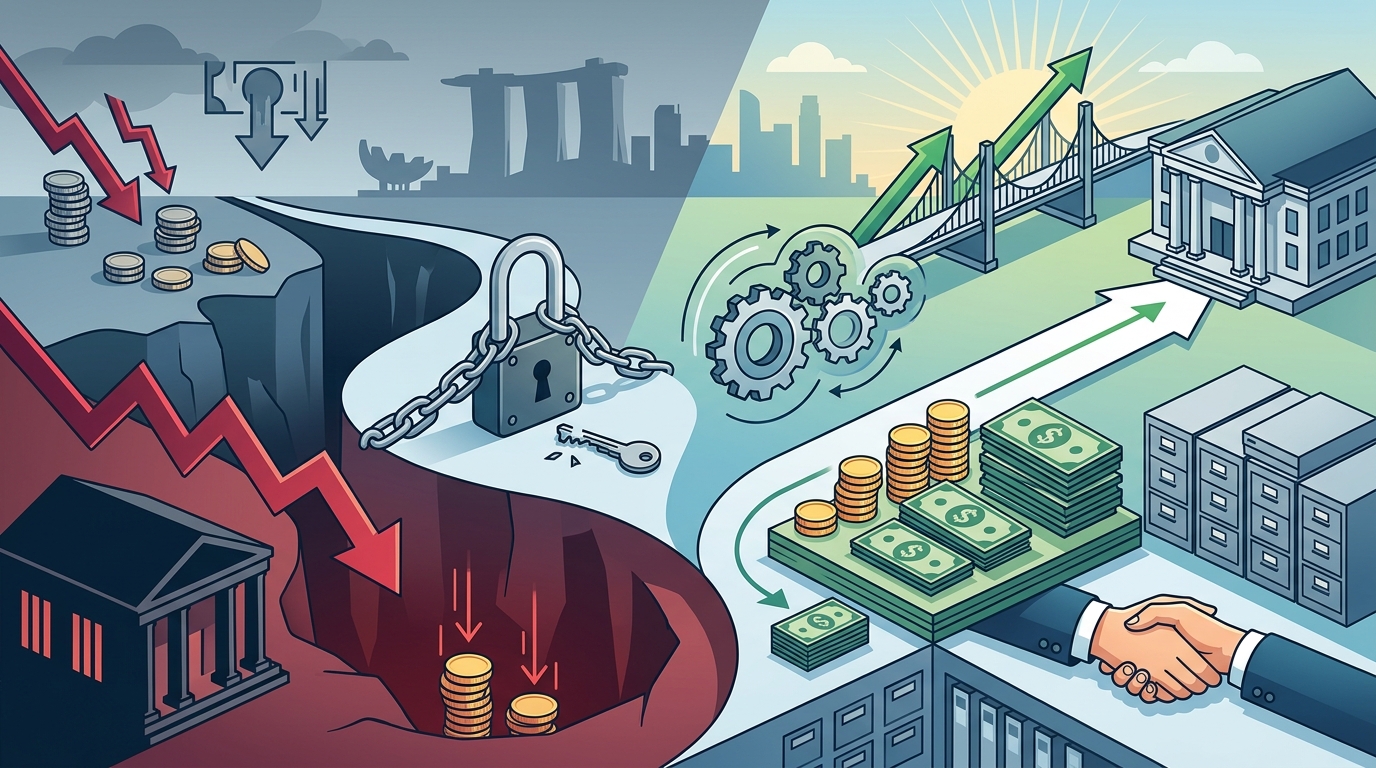
The Personal Bankruptcy Process
Personal bankruptcy is a more severe legal consequence of insolvency. It is typically initiated when a creditor files a bankruptcy petition against you, or when you file for bankruptcy yourself. The process is governed by the Insolvency, Restructuring and Dissolution Act 2018.
Initiating Bankruptcy
A creditor can file a bankruptcy petition if you owe them at least $15,000 and have committed an act of bankruptcy. An act of bankruptcy includes failing to comply with a bankruptcy notice or being unable to pay debts as they fall due. If the court grants the petition, you are declared bankrupt.
Once declared bankrupt, your assets are vested in the Official Assignee (OA), a government official who manages the bankruptcy estate. The OA will liquidate your non-exempt assets to pay off your creditors. However, certain assets are protected, such as basic household items and tools of trade necessary for your employment.
Consequences of Bankruptcy
Bankruptcy has significant implications for your personal and professional life. You will be restricted from holding certain office positions, such as being a company director. You must also disclose your bankrupt status when applying for credit or employment in certain sectors. The duration of bankruptcy typically lasts for five years, after which you may be automatically discharged, provided you have complied with all requirements.
For those facing such challenges, IRB Law LLP offers criminal defence and civil litigation support to help navigate the legal complexities. We also provide counselling help resources to support clients through the emotional stress of financial distress.
Comparing Debt Restructuring vs Bankruptcy
Choosing between debt restructuring and bankruptcy depends on your financial situation, assets, and long-term goals. The following table summarizes the key differences to help you make an informed decision.
| Feature | Debt Restructuring (IVA) | Personal Bankruptcy |
|---|---|---|
| Asset Retention | Assets are typically retained if payments are made. | Non-exempt assets are liquidated by the Official Assignee. |
| Credit Rating | Less severe impact; arrangement is recorded but manageable. | Significant negative impact; recorded for up to 5 years. |
| Income Requirement | Requires a steady income to propose a repayment plan. | No income requirement; available to those with no means to pay. |
| Legal Restrictions | Fewer restrictions; you can continue working and trading. | Restrictions on holding directorships and obtaining credit. |
| Duration | Varies based on the agreement, typically 3-5 years. | Typically 5 years before automatic discharge. |
Understanding these differences is crucial. If you have a steady income and valuable assets, debt restructuring may be the better option. However, if you have no means to repay your debts, bankruptcy might be the necessary path. IRB Law LLP provides expert legal advice to help you determine the best course of action for your specific circumstances.
Key Takeaways
- Financial Impact: Singaporeans lost almost $3.88 billion to scams between 2020 and September 2025, highlighting the need for robust debt management strategies.
- IVA Benefits: Debt restructuring allows you to retain assets and avoid the severe restrictions of bankruptcy.
- Bankruptcy Consequences: Bankruptcy involves asset liquidation and professional restrictions, lasting typically five years.
- Legal Framework: Both processes are governed by the Insolvency, Restructuring and Dissolution Act 2018.
- Professional Guidance: Engaging a law firm like IRB Law LLP ensures your rights are protected and the process is handled efficiently.
- Creditor Agreement: An IVA requires approval from creditors representing at least 50% in value of the total debt.
- Eligibility: IVA requires a steady income, while bankruptcy is available to those unable to pay their debts.
Frequently Asked Questions
What is the difference between debt restructuring and bankruptcy?
Debt restructuring, or an Individual Voluntary Arrangement (IVA), is a negotiated repayment plan that allows you to keep your assets. Bankruptcy is a legal status where your assets are liquidated to pay off debts, and it carries significant professional restrictions.
Can I keep my house if I file for bankruptcy in Singapore?
In most cases, your house may be liquidated if it is considered a non-exempt asset. However, if the equity in your home is low, the Official Assignee may allow you to retain it. In contrast, debt restructuring allows you to keep your home as long as you continue making mortgage payments.
How long does bankruptcy last in Singapore?
Bankruptcy typically lasts for five years. After this period, you may be automatically discharged if you have complied with all requirements, such as cooperating with the Official Assignee.
What is the minimum debt required to file for bankruptcy?
A creditor can file a bankruptcy petition against you if you owe them at least $15,000. You can also file for bankruptcy yourself if you are unable to pay your debts.
Do I need a lawyer for debt restructuring?
While not strictly mandatory, having a lawyer is highly recommended. IRB Law LLP can help you prepare the necessary documents and negotiate with creditors to ensure a fair outcome.
What happens if my IVA proposal is rejected?
If your IVA proposal is rejected by creditors, you may need to consider other options, such as bankruptcy or negotiating a private settlement with your creditors.
Can I get a loan while bankrupt?
No, you are legally required to disclose your bankrupt status when applying for credit. Lenders are unlikely to approve loans for bankrupt individuals.
Take Control of Your Financial Future
Dealing with debt restructuring or personal bankruptcy is a significant decision that requires expert legal guidance. IRB Law LLP is dedicated to providing trusted, transparent, and effective legal solutions. Whether you are facing debt recovery issues or need assistance with bankruptcy and restructuring, our team is here to help.
Contact us today to schedule a consultation. Visit our Contact Us page or call +65 6298 2537 to discuss your case. Let us help you navigate this challenging time with confidence and clarity.