

Financial distress in Singapore is a growing concern, with recent data indicating that losses to scams alone reached nearly $3.88 billion between 2020 and September 2025. Scam victims often find themselves in immediate debt crises, but so do many others due to job loss or medical emergencies. Navigating the legal landscape to resolve these debts requires a clear understanding of your options. The two primary pathways for individuals are Debt Restructuring Agreements (DRA) and Personal Bankruptcy. Choosing the wrong path can lead to severe financial and legal consequences, making professional legal advice essential.
Understanding Debt Restructuring Agreements
A Debt Restructuring Agreement (DRA) is a formal arrangement between a debtor and their creditors to repay debts over a longer period, typically up to five years. This option is designed for individuals who have a steady income but are temporarily unable to meet their current repayment obligations. The DRA allows you to avoid bankruptcy while still honoring your financial commitments. (Contact Us I R)
Debt Restructuring is a legal framework that provides a structured way to manage unsecured debts. It requires the consent of creditors holding at least 50% of the total debt value. If approved, the agreement is binding on all creditors, preventing them from taking further legal action against you.
How the DRA Process Works
The process begins with filing an application with the Singapore Insolvency Office. You must provide detailed financial statements, including income, expenses, and asset lists. Once filed, a moratorium is placed on creditor actions, giving you breathing room to negotiate. Insolvency laws in Singapore prioritize rehabilitation over punishment, aiming to help debtors regain financial stability.
Creditors will review your proposal and vote on whether to accept the restructuring plan. If the majority agrees, the terms are formalized. You make monthly payments to a supervisor, who distributes the funds to creditors. This approach is ideal for those who wish to maintain their credit rating and avoid the stigma of bankruptcy.
The Personal Bankruptcy Process
Personal Bankruptcy is a more severe legal status declared when an individual is unable to pay their debts. It is governed by the Insolvency, Restructuring and Dissolution Act 2018. Bankruptcy involves the liquidation of assets to repay creditors, followed by a discharge period where the individual is subject to strict controls.
Bankruptcy is a legal declaration of insolvency. It is not a crime in itself, but certain actions during bankruptcy are criminal offenses. The process is public, and your name will be listed in the Official Assignee's register. This can significantly impact your ability to secure loans, rent property, or hold certain professional positions.
Steps to File for Bankruptcy
First, you must file a bankruptcy petition with the High Court. This requires a minimum debt threshold, typically $15,000 or more owed to a single creditor. You must also demonstrate an inability to pay. Once the petition is filed, the Official Assignee (OA) takes control of your assets. The Official Assignee manages the estate, selling assets to repay creditors.
During bankruptcy, you must disclose all financial changes to the OA. You are restricted from obtaining credit above a certain amount without disclosure. After a period of three to five years, you may apply for discharge. The OA will review your conduct and financial behavior before granting discharge. Early discharge is possible if you have cooperated fully and shown genuine effort to repay.
Comparing DRA and Bankruptcy
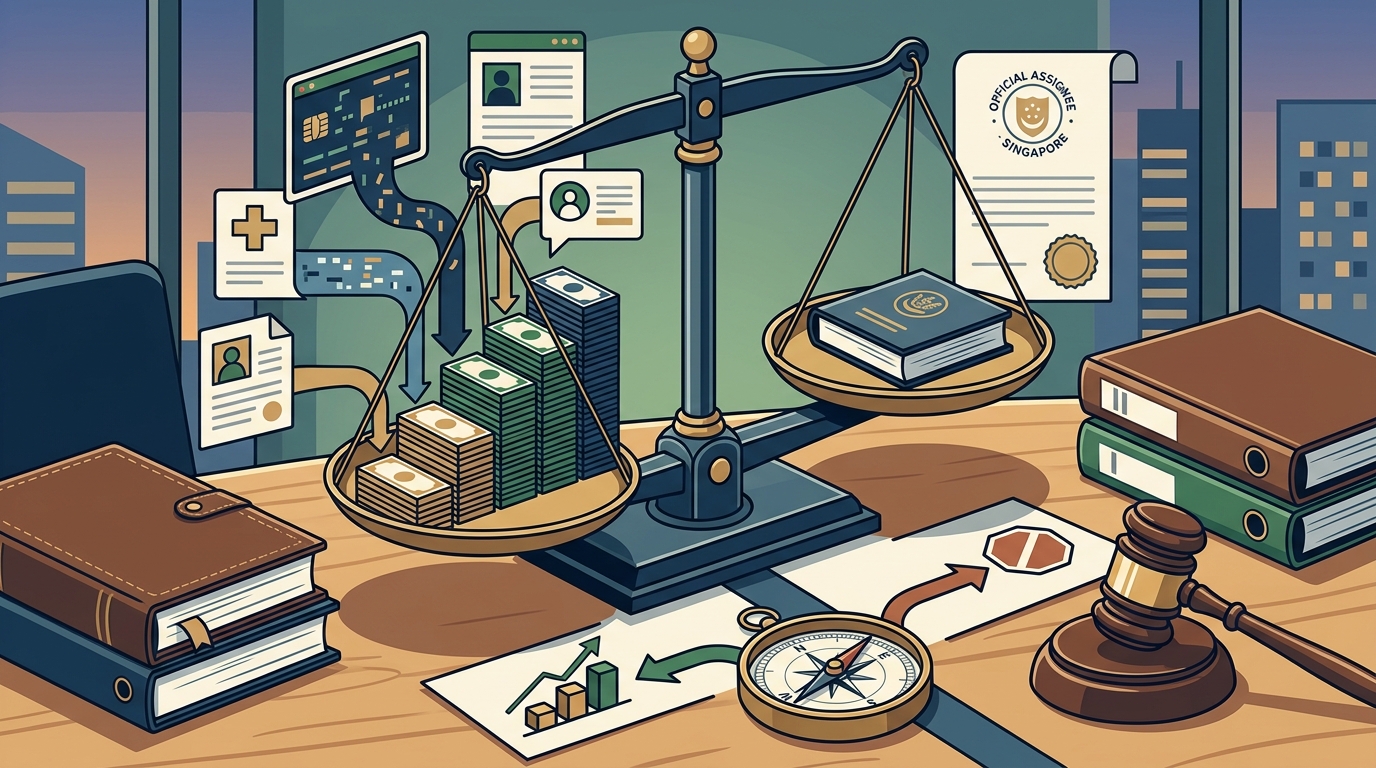
Choosing between Debt Restructuring and Bankruptcy depends on your financial situation, income stability, and long-term goals. Below is a comparison of the two options.
| Feature | Debt Restructuring Agreement (DRA) | Personal Bankruptcy |
|---|---|---|
| Asset Retention | You keep your assets, including your home and car. | Assets may be liquidated to repay creditors. |
| Income Requirement | Requires a steady income to make monthly payments. | No income requirement; available to those with no means. |
| Credit Rating Impact | Less severe; can be resolved within 5 years. | Severe; remains on record for up to 5 years post-discharge. |
| Legal Restrictions | Minimal restrictions on professional activities. | Restricted from being a company director or holding certain licenses. |
| Creditor Consent | Requires consent from majority creditors. | No creditor consent needed; court-ordered. |
Eligibility and Legal Requirements
Not everyone qualifies for either option. Understanding the eligibility criteria is crucial before proceeding. For DRA, you must be an individual resident in Singapore with unsecured debts exceeding $15,000. You must also have a regular income source. If your income is insufficient, the OA may reject your DRA application.
For bankruptcy, the debt threshold is also $15,000 or more. However, the key factor is your inability to pay. If you have assets that can be sold, the OA may still proceed with bankruptcy. Corporate and personal insolvency laws in Singapore are strict to prevent abuse of the system. Fraudulent transfers of assets before filing can lead to criminal charges.
Legal Consequences of Non-Compliance
Failing to comply with DRA terms or bankruptcy conditions can result in serious penalties. For DRA, creditors can resume legal action. For bankruptcy, non-compliance can lead to extended bankruptcy periods or even criminal prosecution. It is vital to work with experienced lawyers in Singapore to ensure full compliance.
Long-term Financial Impact
Both DRA and Bankruptcy have long-term implications for your financial health. A DRA is less damaging to your credit score. Once the agreement is completed, you can begin rebuilding your credit. Banks in Singapore may still view you as a higher risk, but it is possible to secure loans after a few years.
Bankruptcy has a more profound impact. Your name will be listed in the public register for five years after discharge. This can affect your ability to rent property, open bank accounts, or get employment in certain sectors. However, bankruptcy also provides a fresh start. After discharge, most debts are wiped out, allowing you to move forward without the burden of past liabilities.
Key Takeaways
- DRA is for those with income: If you have a steady job, a Debt Restructuring Agreement allows you to keep your assets and avoid bankruptcy.
- Bankruptcy is for severe cases: If you have no income and significant unsecured debt, bankruptcy may be the only option.
- Legal advice is critical: Navigating these processes requires expertise in Singapore law to avoid pitfalls.
- Asset protection matters: DRA protects your home and car, while bankruptcy may lead to liquidation.
- Credit score recovery: DRA has a shorter negative impact on credit scores compared to bankruptcy.
- Compliance is mandatory: Failure to comply with court orders can lead to criminal charges.
- Timely action is key: Delaying can lead to increased debt and legal costs.
Frequently Asked Questions
What is the minimum debt to file for bankruptcy in Singapore?
The minimum debt to file for bankruptcy is $15,000 or more owed to a single creditor. This threshold ensures that the process is used for significant financial distress.
Can I keep my house if I file for bankruptcy?
Generally, no. Your house may be liquidated to repay creditors. However, if the house has little equity, the Official Assignee may choose not to sell it. In some cases, family members may buy out your share.
How long does a Debt Restructuring Agreement last?
A DRA typically lasts up to five years. The duration depends on the total debt amount and your monthly repayment capacity. Creditors must agree to the term.
What happens if I default on a DRA?
If you default on a DRA, creditors can resume legal action against you. They may also petition for your bankruptcy. It is crucial to communicate with your supervisor if you face difficulties.
Is bankruptcy a criminal offense in Singapore?
No, bankruptcy itself is not a crime. However, certain actions during bankruptcy, such as hiding assets or making fraudulent transfers, are criminal offenses.
Can I be a company director if I am bankrupt?
No, you cannot be a company director or be involved in the management of a company without court permission. This restriction applies during the bankruptcy period and for a time after discharge.
How do I contact IRB Law LLP for help?
You can contact IRB Law LLP via phone at +65 6298 2537 or email at hello@irblaw.com.sg. We offer consultations to discuss your specific situation.
Contact IRB Law LLP
Debt restructuring and bankruptcy are complex legal processes that require careful navigation. IRB Law LLP provides expert legal services in bankruptcy and restructuring to help you make informed decisions. Our team of dedicated lawyers is here to guide you through every step, ensuring your rights are protected and your future is secured. Do not face financial distress alone. Contact us today for a confidential consultation and take the first step towards financial freedom.