

Financial distress in Singapore is a growing concern, with individuals losing nearly $3.88 billion to scams between 2020 and September 2025. This surge in financial vulnerability has led many to seek legal relief through debt restructuring or personal bankruptcy. Understanding the distinction between these two pathways is critical for anyone facing insolvency. The choice between them can determine your financial future, your ability to retain assets, and your long-term creditworthiness.
Understanding Debt Restructuring
Debt restructuring is a formal legal mechanism designed to help individuals manage overwhelming debt without entering bankruptcy. It allows debtors to negotiate with their creditors to reduce the total amount owed, extend the repayment period, or lower interest rates. This process is governed by the Insolvency, Restructuring and Dissolution Act 2018 (IRDA). (Cross Border Money Transfers)
Debt restructuring is a structured legal framework that enables insolvent individuals to propose a repayment plan to their creditors. Unlike bankruptcy, which is a punitive measure, restructuring is a rehabilitative tool. It provides a breathing space for debtors to stabilize their finances while ensuring creditors receive a portion of their dues over time.
Who Qualifies for Debt Restructuring?
To qualify for debt restructuring in Singapore, an individual must meet specific criteria. You must be an individual with debts exceeding $1.5 million. Additionally, you must be unable to pay your debts as they fall due. The process requires the submission of a detailed financial statement and a proposed repayment plan to the court.
Benefits of Debt Restructuring
The primary benefit of debt restructuring is that it allows you to retain your assets, including your home and car, provided you continue to make payments as per the agreed plan. It also avoids the stigma and legal restrictions associated with bankruptcy. Furthermore, it demonstrates a proactive approach to financial management, which can be viewed favorably by future lenders.
The Personal Bankruptcy Process
Personal bankruptcy is a more severe legal status declared when an individual is unable to pay their debts. In Singapore, bankruptcy is governed by the Insolvency, Restructuring and Dissolution Act 2018. Once declared bankrupt, your assets are vested in the Official Assignee (OA), who manages the distribution of funds to creditors.
Personal bankruptcy is a legal status where an individual's assets are taken over by the Official Assignee to pay off creditors. It is a last-resort option when debt restructuring is not feasible or has failed. Bankruptcy imposes significant restrictions on the individual, including limitations on travel and employment.
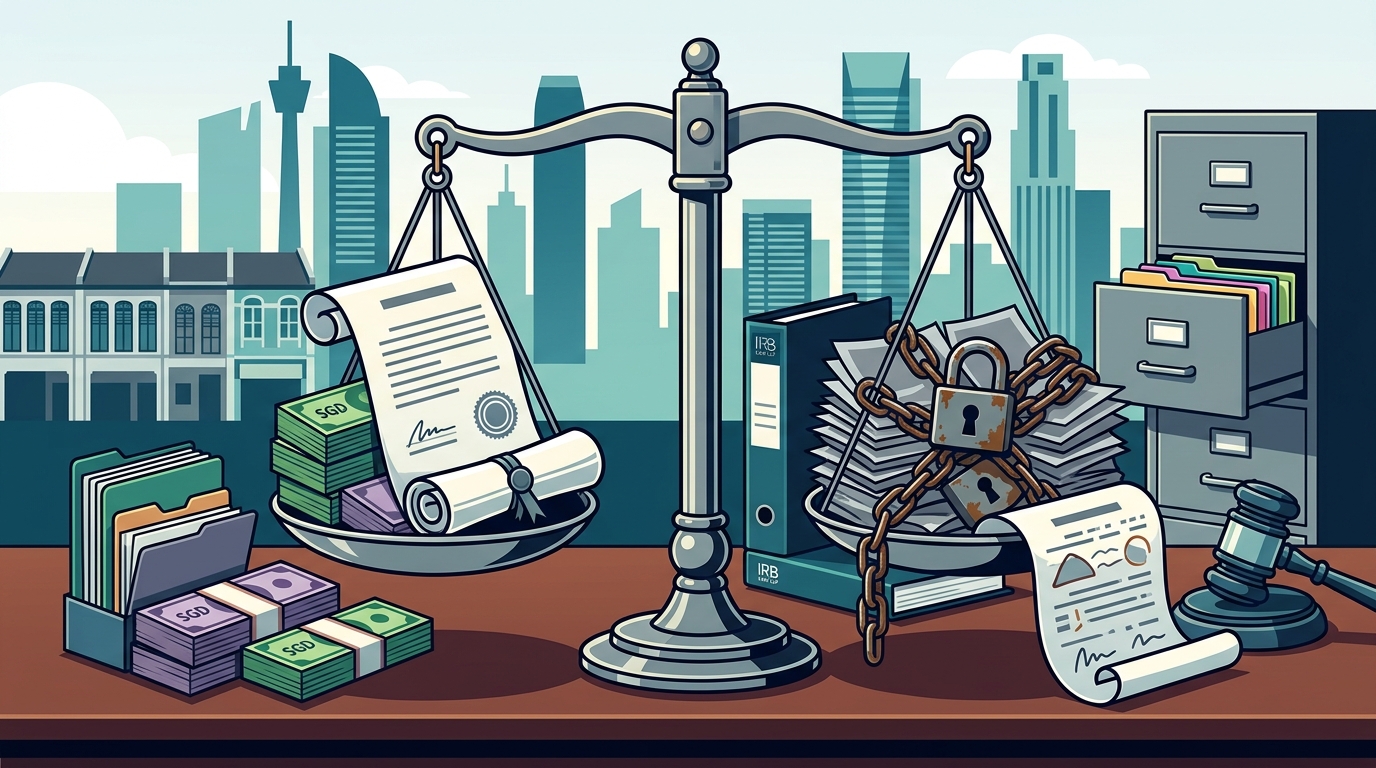
The Role of the Official Assignee
The Official Assignee (OA) is a key figure in the bankruptcy process. The OA is responsible for administering the bankrupt's estate, including selling assets and distributing proceeds to creditors. The OA also monitors the bankrupt's conduct and ensures compliance with bankruptcy laws. Individuals must cooperate fully with the OA to avoid further legal complications.
Duration and Discharge
Bankruptcy in Singapore typically lasts for five years, after which the individual may apply for an automatic discharge. However, the OA or creditors can object to the discharge, potentially extending the bankruptcy period. During this time, the bankrupt must report any change in income or assets to the OA.
Comparing the Two Options
Choosing between debt restructuring and personal bankruptcy depends on your financial situation, debt size, and long-term goals. The following table summarizes the key differences to help you make an informed decision.
| Feature | Debt Restructuring | Personal Bankruptcy |
|---|---|---|
| Debt Threshold | Must exceed $1.5 million | No minimum threshold |
| Asset Retention | Assets retained if payments are made | Assets vested in Official Assignee |
| Credit Impact | Less severe than bankruptcy | Significant negative impact |
| Duration | Depends on repayment plan | Typically 5 years |
| Legal Restrictions | Minimal | Travel, employment, and directorship restrictions |
Eligibility and Thresholds
Understanding the eligibility criteria for both debt restructuring and personal bankruptcy is crucial. For debt restructuring, the debt must exceed $1.5 million, and you must be unable to pay your debts as they fall due. For personal bankruptcy, there is no minimum debt threshold, but you must be unable to pay your debts.
Debt Restructuring Thresholds
The $1.5 million threshold for debt restructuring is designed to ensure that only individuals with significant debt burdens can access this option. This high threshold reflects the complexity and resource intensity of the restructuring process. Individuals with smaller debts may find other options, such as debt consolidation, more suitable.
Bankruptcy Thresholds
For personal bankruptcy, the key criterion is the inability to pay debts. There is no minimum debt amount, meaning even individuals with smaller debts can be declared bankrupt if they cannot meet their obligations. This underscores the importance of seeking early legal advice to explore all available options.
The Role of Legal Counsel
Navigating the complexities of debt restructuring and personal bankruptcy requires expert legal guidance. IRB Law LLP provides comprehensive legal services in these areas, helping clients make informed decisions and achieve the best possible outcomes. Our team of experienced lawyers specializes in insolvency and restructuring, offering tailored advice to individual clients.
Legal counsel plays a vital role in both debt restructuring and bankruptcy proceedings. Lawyers help clients understand their rights and obligations, prepare necessary documentation, and represent them in court. They also negotiate with creditors and the Official Assignee to secure favorable terms.
Why Choose IRB Law LLP?
IRB Law LLP is a leading Singapore law firm with a strong reputation in insolvency and restructuring. Our team is dedicated to providing trusted, transparent, and results-driven legal services. We understand the emotional and financial stress associated with debt issues and strive to provide compassionate support throughout the process.
Key Takeaways
- Debt restructuring is available for individuals with debts exceeding $1.5 million.
- Personal bankruptcy involves the vesting of assets in the Official Assignee.
- Debt restructuring allows for the retention of assets if payments are maintained.
- Bankruptcy typically lasts for five years before automatic discharge.
- Legal counsel is essential for navigating complex insolvency laws.
- IRB Law LLP offers specialized services in debt restructuring and bankruptcy.
- Early intervention can prevent financial situations from worsening.
Frequently Asked Questions
What is the difference between debt restructuring and personal bankruptcy?
Debt restructuring is a legal process that allows individuals with debts over $1.5 million to propose a repayment plan to creditors, whereas personal bankruptcy is a legal status where assets are vested in the Official Assignee to pay off creditors. Restructuring is generally less severe and allows for asset retention.
Can I keep my house if I declare bankruptcy?
Generally, no. In personal bankruptcy, your assets, including your house, are vested in the Official Assignee. However, there may be exceptions depending on the equity in the property and the specific circumstances of your case.
How long does bankruptcy last in Singapore?
Bankruptcy in Singapore typically lasts for five years. After this period, you may apply for an automatic discharge, but the Official Assignee or creditors can object, potentially extending the duration.
What is the debt threshold for debt restructuring?
To qualify for debt restructuring in Singapore, your total debt must exceed $1.5 million. This threshold ensures that the process is used for significant financial distress.
Do I need a lawyer for debt restructuring?
While not strictly mandatory, having a lawyer is highly recommended. Legal counsel can help you navigate the complex legal requirements, negotiate with creditors, and represent you in court.
Can I travel while bankrupt?
No, individuals declared bankrupt in Singapore are restricted from traveling overseas without the permission of the Official Assignee. This restriction is in place to ensure compliance with bankruptcy laws.
What is the role of the Official Assignee?
The Official Assignee (OA) is responsible for administering the bankrupt's estate, including selling assets and distributing proceeds to creditors. The OA also monitors the bankrupt's conduct and ensures compliance with bankruptcy laws.
Contact IRB Law LLP
If you are facing financial difficulties and need expert legal advice on debt restructuring or personal bankruptcy, contact IRB Law LLP today. Our team of dedicated lawyers is here to help you navigate this challenging time with trust, integrity, and transparency. Visit our contact page to schedule a consultation.