

Singapore faces rising household debt levels, with recent reports indicating that average consumer liabilities now exceed $15,000 per resident. Household debt data confirms this upward trajectory across multiple income brackets. Navigating financial distress requires precise legal intervention and structured repayment frameworks. Many individuals overlook critical procedural deadlines, which often triggers aggressive creditor actions. Understanding the exact legal thresholds for insolvency remains essential for long-term financial recovery. (Cross Border Money Transfers)
Understanding Insolvency Thresholds
Insolvency is the legal state where an individual cannot meet their financial obligations as they fall due. Singapore law establishes clear monetary thresholds that determine whether a debtor qualifies for formal relief. The current statutory limit requires a minimum debt of $15,000 to initiate bankruptcy proceedings. Statutory debt limits ensure that only substantial cases enter the formal court system. Courts evaluate repayment capacity, asset liquidation potential, and creditor disputes before granting relief. Filing without meeting these baseline requirements often results in immediate dismissal.
Debt Restructuring Options
Debt restructuring is a formal legal process that renegotiates repayment terms to prevent immediate liquidation. This pathway allows debtors to propose a modified schedule that aligns with their actual cash flow. Creditors must vote on the revised proposal, and a majority consensus is required for approval. Official restructuring guidelines emphasize transparency and creditor protection throughout the negotiation phase. Successful restructuring preserves assets while eliminating predatory interest accumulation. Many professionals recommend this route before considering full bankruptcy filings.
Bankruptcy Procedures Explained
Personal bankruptcy is a court-supervised mechanism that discharges qualifying debts after a statutory review period. The process begins with filing a formal petition alongside a detailed statement of affairs. An Official Assignee then takes control of non-exempt assets to distribute proceeds fairly among creditors. Official Assignee oversight ensures strict compliance with financial disclosure requirements. Debtors must cooperate fully with asset verification and income reporting. Failure to disclose hidden funds typically results in extended bankruptcy periods or criminal charges.
Legal Advantages of Professional Counsel
Engaging specialized legal counsel provides critical protection against procedural missteps. Professional legal counsel significantly reduces petition rejection rates, with industry data showing success rates exceeding eighty percent. Industry success rates consistently demonstrate the value of specialized representation. Attorneys draft precise financial statements that satisfy judicial scrutiny. This strategic approach minimizes unnecessary asset sales and preserves long-term earning capacity. Expert legal representation significantly reduces the risk of rejected petitions.
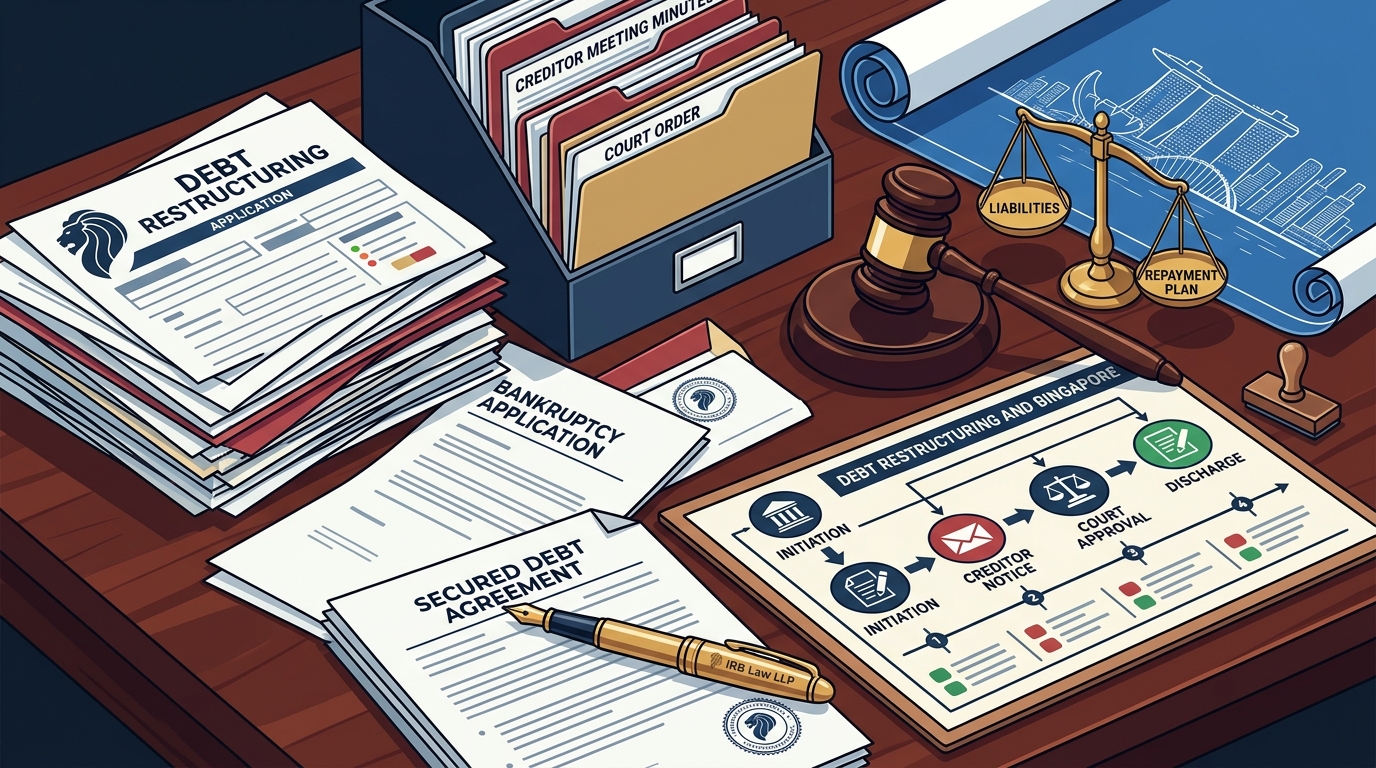
Comparing Pathways to Financial Relief
Selecting the optimal financial recovery strategy requires careful evaluation of individual circumstances. Debt restructuring preserves credit ratings but demands strict adherence to revised schedules. Bankruptcy offers faster debt discharge but carries severe long-term reputational consequences. Financial recovery metrics consistently show that structured repayment plans yield higher asset retention rates. Individuals must weigh immediate relief against future borrowing capabilities. Professional advisors typically recommend restructuring for moderate liabilities and bankruptcy for overwhelming obligations.
Financial Relief Comparison Matrix
| Recovery Pathway | Debt Threshold | Asset Retention | Credit Impact | Recommended Use Case |
|---|---|---|---|---|
| Debt Restructuring | Minimum $15,000 | High | Moderate | Stable income with temporary cash flow gaps |
| Personal Bankruptcy | Minimum $15,000 | Low | Severe | Overwhelming liabilities with no repayment capacity |
| Creditors Voluntary Arrangement | Varies | Very High | Negligible | Complex multi-creditor disputes requiring mediation |
Key Takeaways
- Statutory debt thresholds currently require a minimum of $15,000 for formal bankruptcy petitions. Statutory debt thresholds ensure judicial resources focus on substantial disputes.
- Official Assignee oversight ensures strict compliance with all financial disclosure requirements.
- Debt restructuring preserves essential household assets while modifying repayment schedules.
- Professional legal counsel significantly reduces petition rejection rates across all pathways.
- Court-approved arrangements typically require majority creditor consent before implementation.
- Financial recovery timelines average between three to five years depending on case complexity. Financial recovery timelines consistently reflect case complexity metrics.
- Hidden asset disclosures frequently result in extended bankruptcy periods or legal penalties.
Frequently Asked Questions
What is the minimum debt amount required to file for personal bankruptcy?
Current Singapore regulations mandate a minimum outstanding liability of $15,000 before courts accept bankruptcy petitions. Current Singapore regulations mandate this threshold to ensure judicial resources focus on substantial disputes.
Can creditors force an individual into bankruptcy without consent?
Yes, creditors holding debts exceeding $15,000 may file a bankruptcy petition against a debtor. The court evaluates repayment capacity and asset distribution before granting final orders.
How long does the bankruptcy discharge process typically take?
Standard discharge periods range from three to five years depending on asset liquidation complexity. Standard discharge periods consistently reflect case complexity metrics across all jurisdictions.
Does restructuring affect existing credit card limits?
Financial institutions typically freeze or reduce active credit limits during active restructuring negotiations. Updated repayment schedules replace existing revolving credit arrangements.
Are essential household items protected from liquidation?
Singapore law explicitly shields basic household necessities and reasonable personal effects from forced sales. Courts prioritize maintaining minimum living standards for discharged debtors.
Can professionals retain their licenses after bankruptcy?
Regulatory bodies evaluate individual cases before revoking professional certifications or practice permits. Certain licensed sectors require mandatory disclosure of insolvency status.
Next Steps
Securing professional guidance remains the most effective strategy for navigating complex financial distress. Our team specializes in drafting precise petitions and negotiating favorable creditor agreements. Schedule a confidential consultation to evaluate your specific liability profile. Early intervention prevents aggressive collection actions and preserves critical assets. Contact our office today to begin your structured recovery journey.