

Financial distress in Singapore is a growing concern, with the number of individual insolvencies rising significantly in recent years. According to data from the Ministry of Law, the number of bankruptcies in Singapore has fluctuated, reflecting broader economic pressures on households. For many, the path forward is not immediate liquidation but a structured legal intervention. Understanding the difference between debt restructuring and personal bankruptcy is critical for protecting your assets and future financial health. This guide outlines the legal mechanisms available under Singapore law to help you navigate this complex landscape. (Cross Border Money Transfers)
Understanding the Options: Debt Restructuring vs Bankruptcy
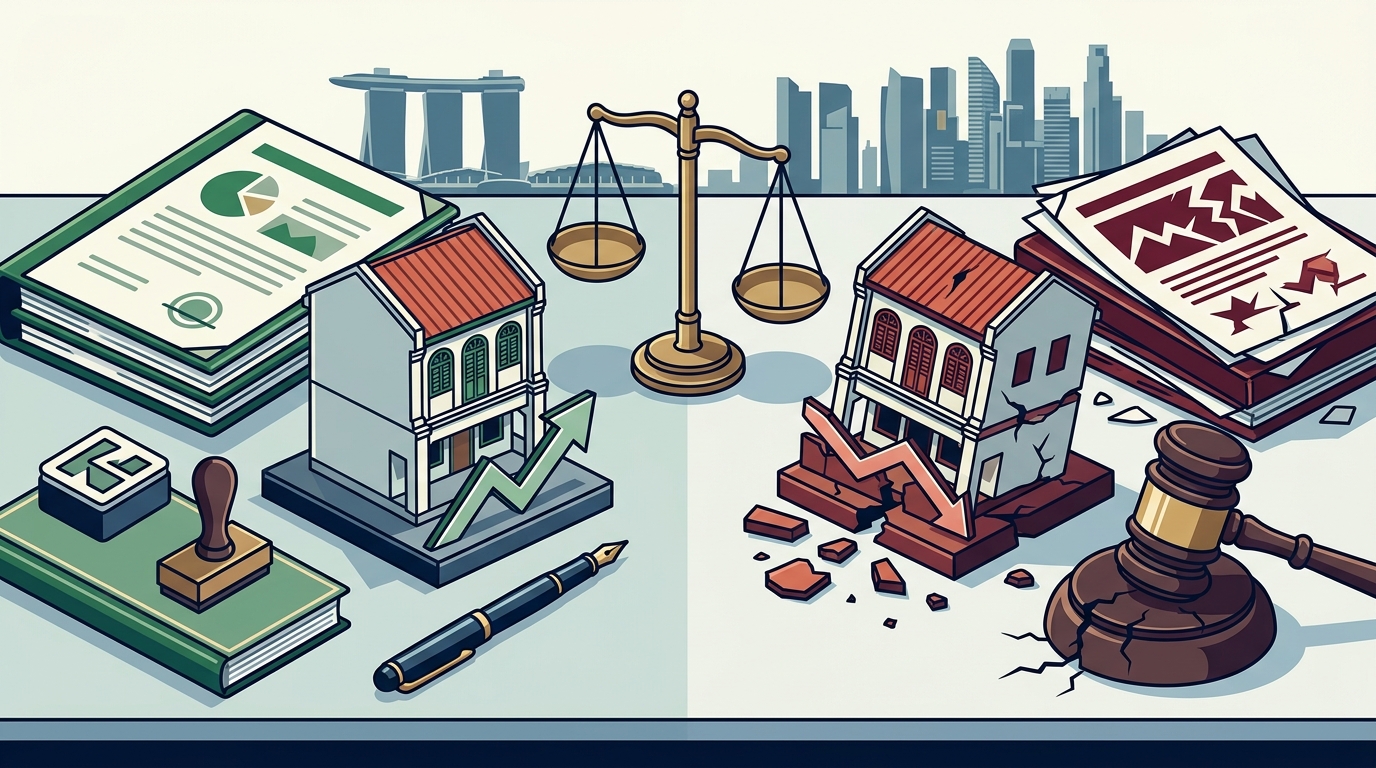
When debts become unmanageable, individuals in Singapore generally face two primary legal routes: Debt Restructuring or Bankruptcy. Debt Restructuring is a process where a debtor negotiates with creditors to pay off debts over a longer period, often with reduced interest or waived penalties. This option is designed to allow you to retain your assets, including your home and car, while you repay what you can afford.
In contrast, Bankruptcy is a legal status where a court declares an individual unable to repay outstanding debts, leading to the liquidation of assets to pay creditors. This is a more severe measure, typically reserved for cases where restructuring is not feasible or has failed. The choice between these two paths depends on your total debt, income, asset value, and willingness to cooperate with creditors.
The Debt Restructuring Framework (DRF)
Singapore has implemented the Debt Restructuring Framework (DRF) to provide a more humane and effective alternative to bankruptcy for individuals. This framework is particularly relevant for those who have a steady income but are struggling with short-term cash flow issues.
Eligibility Criteria for DRF
To qualify for the DRF, you must meet specific criteria set by the Ministry of Law. Generally, you must be a Singapore citizen or Permanent Resident. Your total unsecured debt must not exceed SGD 1.5 million. Additionally, your annual income must be no more than SGD 70,000. If you meet these thresholds, you can apply for a Debt Management Programme (DMP) through a credit counseling agency.
The Role of Credit Counseling
Credit counseling agencies play a pivotal role in the DRF. They assess your financial situation and help you negotiate with your creditors. A Debt Management Programme is a formal agreement between you and your creditors to repay debts over a fixed period. The agency acts as an intermediary, ensuring that payments are distributed fairly among creditors.
For complex cases involving multiple creditors or significant disputes, you may need legal assistance. IRB Law LLP specializes in corporate and personal insolvency matters, providing tailored advice to ensure your rights are protected during negotiations.
The Personal Bankruptcy Process
If debt restructuring is not viable, bankruptcy may be the necessary next step. The process is governed by the Insolvency, Restructuring and Dissolution Act 2018 (IRDA). It is important to understand that bankruptcy is not a quick fix; it is a lengthy legal process with significant long-term consequences.
Voluntary vs. Creditor-Petitioned Bankruptcy
You can file for bankruptcy voluntarily if you are unable to pay your debts. Alternatively, a creditor with a debt of at least SGD 15,000 can file a bankruptcy petition against you. Voluntary bankruptcy allows you to take control of the initial steps, whereas creditor-petitioned bankruptcy is a forced legal action.
The Role of the Official Assignee
Once a bankruptcy order is made, the Official Assignee (OA) takes control of your assets. The OA is a government official responsible for managing your estate and distributing funds to creditors. You are required to disclose all your assets and liabilities. Failure to do so can result in criminal charges.
For those facing such serious legal proceedings, seeking immediate counsel is vital. Our team at IRB Law LLP provides robust litigation and dispute resolution services to navigate the complexities of bankruptcy petitions and asset protection.
Comparing the Impacts on Your Life
Choosing between debt restructuring and bankruptcy involves weighing the immediate relief against long-term implications. The following table summarizes the key differences.
| Feature | Debt Restructuring (DRF/DMP) | Personal Bankruptcy |
|---|---|---|
| Asset Retention | You typically keep your assets (home, car). | Assets are liquidated by the Official Assignee. |
| Credit Score | Impact is negative but less severe than bankruptcy. | Severe and long-lasting impact on credit history. |
| Duration | Usually 3 to 5 years. | Typically 5 years for discharge, but can be longer. |
| Legal Restrictions | Fewer restrictions on travel or employment. | Restrictions on holding office, traveling abroad, etc. |
| Debt Discharge | Debts are paid off over time; no discharge. | Remaining debts are discharged after the period ends. |
It is crucial to note that bankruptcy does not erase all debts. Certain obligations, such as student loans or court fines, may remain. Furthermore, the stigma associated with bankruptcy can affect future employment opportunities, particularly in the financial sector. For a deeper understanding of the legal nuances, you may refer to official Ministry of Manpower guidelines on employment restrictions for bankrupts.
Key Takeaways
- Debt Restructuring is for those with income: If you earn up to SGD 70,000 annually and have debts under SGD 1.5 million, the DRF is your best option to avoid bankruptcy.
- Bankruptcy is a last resort: It involves the loss of assets and significant legal restrictions, making it a severe step to take only when restructuring is impossible.
- Time is of the essence: Delaying action can lead to creditor lawsuits, which may force a bankruptcy petition against you. Early intervention is key.
- Professional advice is critical: Navigating the bankruptcy and insolvency landscape requires expert legal knowledge to protect your interests.
- Credit counseling is a first step: Engaging a credit counseling agency can help you explore DMPs before considering legal bankruptcy.
- Asset protection varies: In restructuring, you keep your assets. In bankruptcy, the Official Assignee controls them.
- Discharge is not automatic: Even after bankruptcy, you must comply with all legal requirements to be discharged from your obligations.
Frequently Asked Questions
What is the minimum debt to file for bankruptcy in Singapore?
A creditor must be owed at least SGD 15,000 to file a bankruptcy petition against you. However, you can file voluntarily for any amount if you are unable to pay.
Can I keep my HDB flat if I am bankrupt?
Generally, no. Your HDB flat is considered an asset and may be sold by the Official Assignee to pay off creditors, unless it is exempt under specific conditions.
How long does bankruptcy last in Singapore?
Typically, a bankrupt is discharged after 5 years, provided they have complied with all their obligations. However, this can be extended if they fail to cooperate.
What is the difference between a DMP and DRF?
A Debt Management Programme (DMP) is a specific type of arrangement under the broader Debt Restructuring Framework (DRF). The DRF is the legal framework, while the DMP is the practical tool used to negotiate repayment terms.
Will bankruptcy affect my children?
Bankruptcy does not directly affect your children's legal status. However, it may impact your ability to pay for their education or provide financial support.
Can I travel abroad while bankrupt?
No, you must obtain permission from the Official Assignee to travel abroad. Failure to do so is a criminal offense.
What happens to my CPF savings if I am bankrupt?
Your CPF savings are generally protected from creditors. However, the OA may look at your CPF withdrawals and other financial transactions to ensure no assets were hidden.
Contact IRB Law LLP
Navigating debt restructuring or bankruptcy is a complex legal journey that requires precision and expertise. At IRB Law LLP, we understand the stress and uncertainty that financial distress brings. Our team of experienced lawyers is dedicated to providing compassionate and effective legal solutions tailored to your unique situation.
Whether you need to explore debt restructuring options or defend against a bankruptcy petition, we are here to help. Do not wait until it is too late. Contact us today to schedule a consultation and take the first step towards financial clarity and peace of mind.
Click here to contact IRB Law LLP for a confidential discussion about your case.