

Understanding the Legal Threshold and Eligibility
Who Can Be Declared Bankrupt?
Any individual debtor who has been deemed as such by a bankruptcy order can be declared bankrupt. This includes partners in a firm adjudged as bankrupt. The court has the discretion to make an order if it is satisfied that the debtor is unable to pay their debts. You should seek legal advice at the earliest sign of trouble to understand your specific position.
Pre-Filing: Assessing Your Financial Position
Before a bankruptcy order is made, it is crucial to conduct a thorough review of your assets and liabilities. This includes identifying all your income sources, bank accounts, and property holdings. You must also consider the impact on your dependents and your ability to meet basic living expenses. A personal bankruptcy lawyer can help you map out these details to prepare for the process.
Asset Disclosure Requirements
You are legally required to disclose all your assets, including those held in joint names or in the names of family members. Failure to disclose assets can lead to severe penalties, including imprisonment. The trustee in bankruptcy will have the power to investigate your financial history to ensure full compliance. Transparency is essential to avoid further legal complications during the proceedings.
The Bankruptcy Order and Immediate Consequences
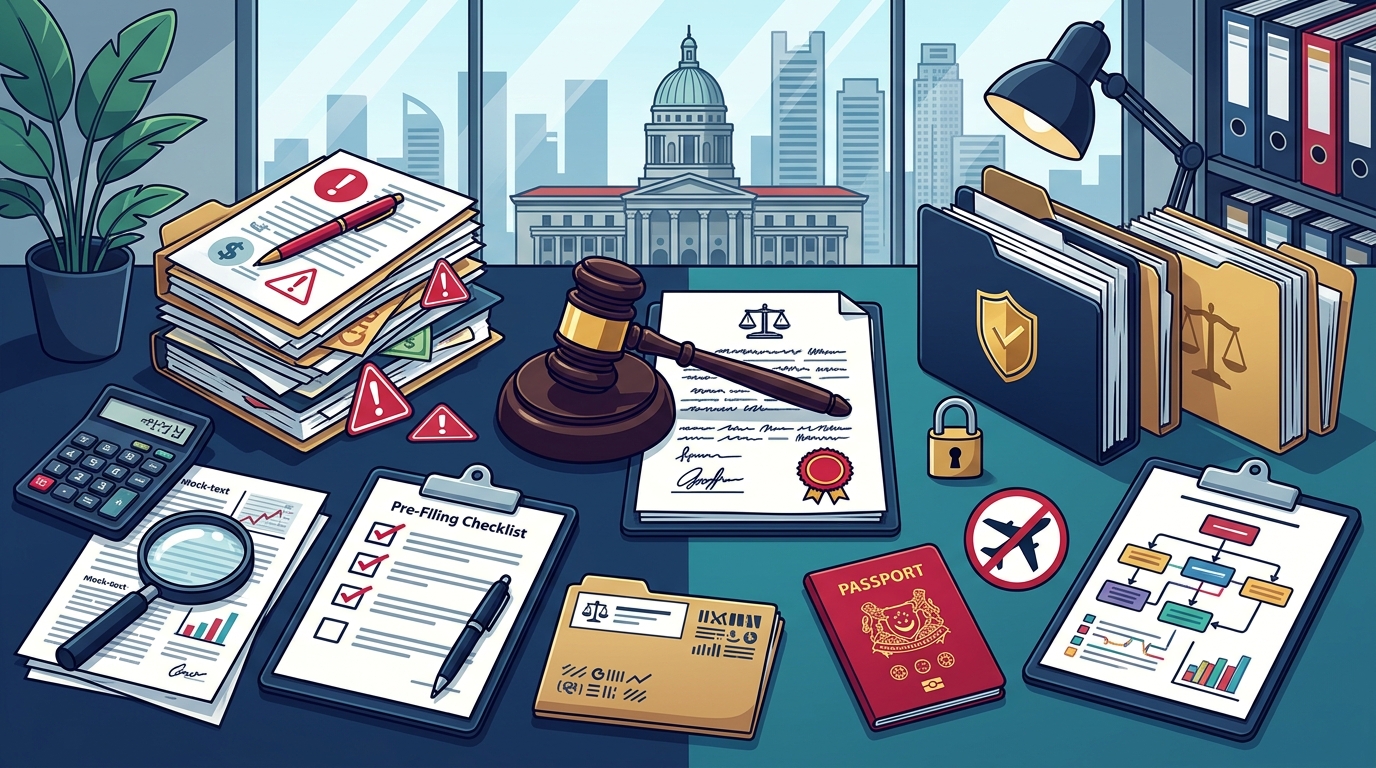
Once the High Court issues a bankruptcy order, your financial autonomy is significantly curtailed. You cannot leave Singapore without the permission of the Official Assignee. You are also prohibited from borrowing money or acting as a director of a company. These restrictions are designed to protect creditors and ensure that the debtor’s assets are preserved for distribution. The immediate impact on your daily life can be substantial and requires careful planning.
Impact on Employment and Business
Many employers and business partners may terminate contracts or employment upon learning of a bankruptcy order. You must notify your employer if required by your contract. For business owners, the bankruptcy of a director can lead to the winding up of the company. It is advisable to consult with a corporate lawyer to understand the implications for any business interests you hold.
Post-Filing: The Role of the Trustee in Bankruptcy
After the order is made, the Official Assignee appoints a trustee in bankruptcy to manage your estate. The trustee takes control of your assets and income, distributing them to creditors according to the law. You will be required to make regular payments to the trustee, which are deducted from your income. This process continues until your debts are paid off or you are discharged from bankruptcy.
Income and Asset Management
The trustee will assess your income and determine a reasonable amount for your living expenses. The surplus is paid into the bankruptcy estate. You must report any changes in your income or employment status to the trustee. This ongoing management ensures that creditors receive a fair share of your assets while allowing you to maintain a basic standard of living.
Discharge from Bankruptcy and Long-Term Effects
Discharge from bankruptcy is the final stage of the process, where the restrictions are lifted. In Singapore, a bankrupt can apply for discharge after a certain period, typically two years, if they have complied with the trustee’s requirements. However, discharge does not automatically wipe out all debts; it releases you from the legal status of bankruptcy. The long-term effects on your credit score and financial reputation can persist for several years after discharge.
Rebuilding Financial Stability
After discharge, you can begin to rebuild your financial standing. It is important to establish a budget and avoid taking on new debt irresponsibly. Seeking advice from a debt recovery specialist can help you manage any remaining obligations and plan for a sustainable financial future. Rebuilding trust with lenders and business partners takes time and consistent responsible behavior.
Key Takeaways
- Pre-filing requires full disclosure of all assets and income to avoid legal penalties.
- Immediate consequences include travel restrictions and bans on borrowing or acting as a company director.
- A trustee in bankruptcy manages your estate and distributes assets to creditors.
- Discharge from bankruptcy typically occurs after two years of compliance, but credit impacts may linger.
- Legal advice is crucial to navigate the process and protect your long-term financial interests.
Frequently Asked Questions
What is the minimum debt amount for personal bankruptcy in Singapore?
Can I leave Singapore while I am bankrupt?
No, you cannot leave Singapore without the permission of the Official Assignee. This travel restriction is a key condition of the bankruptcy order and remains in effect until you are discharged.
How long does it take to be discharged from bankruptcy?
You can apply for discharge after two years from the date of the bankruptcy order, provided you have complied with the trustee’s requirements. The court may grant discharge earlier or later depending on your circumstances and cooperation.
Will my employer find out if I am declared bankrupt?
Your employer may find out if you are required to disclose it under your employment contract or if the trustee notifies them. It is advisable to review your contract and seek legal advice on how to handle this disclosure.
Can I own property while I am bankrupt?
You cannot own or acquire new property without the trustee’s permission. Any assets you owned at the time of the bankruptcy order are typically vested in the trustee for distribution to creditors.
What happens to my joint accounts after bankruptcy?
Joint accounts may be investigated by the trustee. If the funds are considered part of your estate, they may be frozen or seized. You should consult a lawyer to understand the implications for your specific account structures.
Conclusion
Navigating personal bankruptcy in Singapore requires a clear understanding of the legal thresholds, immediate consequences, and long-term implications. By seeking professional guidance, you can make informed decisions that protect your interests and facilitate a smoother path to financial recovery. At IRB Law LLP, we provide practical and affordable advice to help you regain stability and move forward confidently.