

Divorce in Singapore can follow a simplified or a normal process, depending entirely on whether spouses can agree on the terms. According to recent legal insights, the distinction between these two paths dictates not just the emotional toll, but the financial and temporal costs of ending a marriage. Understanding the legal steps for a contested versus uncontested divorce is critical for anyone navigating this transition. The government has also introduced stricter penalties for related offenses, including a maximum penalty of 24 strokes of cane for scammers targeting vulnerable individuals during such times. (Cross Border Money Transfers)
Understanding the Basics: Contested vs Uncontested
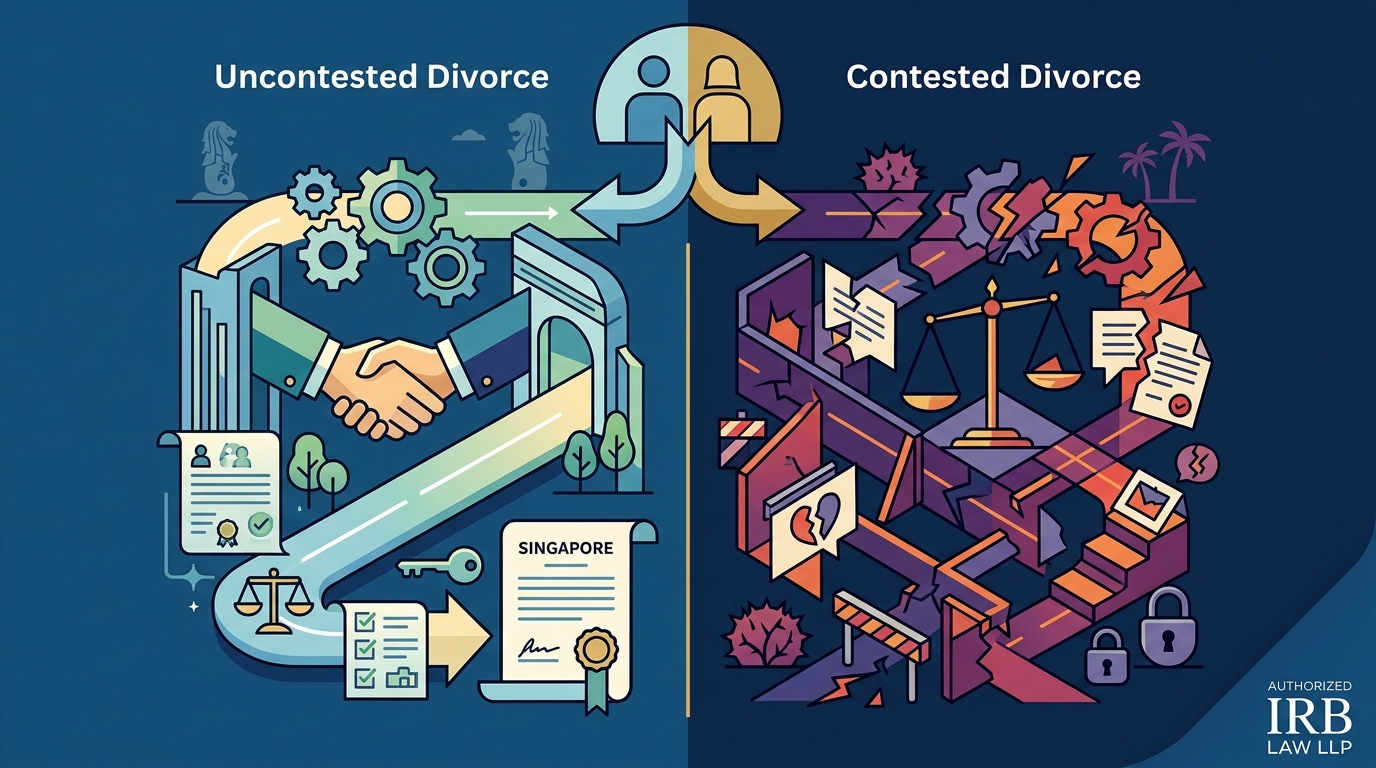
Before diving into the procedural weeds, it is essential to define the core legal concepts. Uncontested divorce is a legal process where both parties agree on all aspects of the divorce, including the grounds for divorce, child custody, maintenance, and asset division. Contested divorce is a legal process where parties cannot reach an agreement on one or more critical issues, requiring the court to intervene and make binding decisions.
In Singapore, the Women’s Charter governs divorce proceedings. The law requires that the marriage has broken down irretrievably. This is proven by meeting one of five grounds: adultery, unreasonable behavior, desertion, separation for two years with consent, or separation for four years. Even if you choose an uncontested route, you must still prove one of these grounds to the court.
For many, the choice between these two paths is not always clear-cut. Some couples believe they are in agreement, only to find that underlying tensions surface during the legal drafting process. Others may feel compelled to contest issues they initially thought were minor, leading to prolonged litigation. IRB Law LLP provides expert guidance to help you determine the most appropriate path for your specific circumstances.
The Uncontested Pathway: Speed and Simplicity
The uncontested divorce is often the preferred route for couples who can communicate effectively and reach a mutual understanding. This pathway is characterized by its relative speed and lower cost compared to its contested counterpart.
The Process Flow
In an uncontested divorce, the process typically begins with the filing of a Statement of Claim. Since there is no defense filed by the respondent, the case moves more swiftly through the initial stages. The couple must then attend a Trial Preparation Conference (TPC) and a Preliminary Case Management Conference (PCMC). During these hearings, the judge will review the agreed-upon terms to ensure they are fair and in the best interest of any children involved.
Cost Efficiency
One of the primary advantages of an uncontested divorce is cost efficiency. Legal fees are generally lower because the lawyers spend less time on litigation, negotiations, and court appearances. The focus is on drafting the necessary documents and ensuring the legal requirements are met. For those seeking affordable legal advice for employment disputes or family matters, understanding this cost structure is vital.
Emotional Relief
While divorce is inherently stressful, an uncontested process can reduce the emotional burden. By avoiding the adversarial nature of court battles, couples can preserve a degree of civility, which is particularly important when co-parenting is involved. This approach aligns with the firm’s philosophy of providing trust, integrity, and transparency to everyone we represent.
The Contested Pathway: Complexity and Cost
When agreements cannot be reached, the divorce becomes contested. This path is significantly more complex, time-consuming, and expensive. It is often necessary when there are high-value assets, complex business interests, or significant disagreements over child custody.
Grounds for Contesting
A divorce may become contested if one party disputes the grounds for divorce or if there are disagreements over ancillary matters such as child custody, maintenance, or the division of matrimonial assets. In some cases, allegations of adultery or unreasonable behavior can escalate tensions, making settlement difficult.
The Litigation Process
Contested divorces involve multiple stages of litigation. This includes the exchange of pleadings, discovery of documents, and potentially, witness statements. The case may proceed to a trial, where both parties present their arguments before a judge. The judge will then make decisions on all disputed issues. This process can take several years to resolve, depending on the complexity of the case and the court’s schedule.
Financial Implications
The financial cost of a contested divorce can be substantial. Legal fees accumulate rapidly due to the extensive work required for litigation, including preparation for hearings, cross-examinations, and negotiations. Additionally, the emotional and psychological toll on both parties and their children can be profound. It is crucial to have a clear understanding of the potential costs before embarking on this path.
Key Differences at a Glance
To help you make an informed decision, here is a summary of the key differences between contested and uncontested divorces in Singapore.
| Feature | Uncontested Divorce | Contested Divorce |
|---|---|---|
| Agreement Status | Both parties agree on all terms. | Disagreements exist on key issues. |
| Duration | Faster, typically 4-6 months. | Slower, can take 1-3 years or more. |
| Cost | Lower legal fees. | High legal fees due to litigation. |
| Court Involvement | Minimal, mostly procedural hearings. | Extensive, including potential trials. |
| Emotional Impact | Less adversarial, more collaborative. | Highly adversarial, stressful. |
Understanding these differences is crucial for anyone considering divorce. For more insights on legal procedures, you can explore the IRB Law Insights section.
Key Takeaways
- Irretrievable Breakdown: All divorces in Singapore must prove that the marriage has broken down irretrievably, regardless of whether the process is contested or uncontested.
- Speed Matters: Uncontested divorces are significantly faster, often concluding within 4 to 6 months, whereas contested cases can drag on for years.
- Cost Control: Choosing an uncontested route can save tens of thousands of dollars in legal fees, making it a financially prudent choice when possible.
- Child Welfare: Courts prioritize the best interests of the child. An uncontested agreement often leads to more stable outcomes for children compared to a litigated battle.
- Legal Guidance: Even in uncontested cases, professional legal advice is essential to ensure all documents are correctly drafted and filed.
- Scam Awareness: Be vigilant against scams targeting individuals during divorce proceedings, such as fake legal advice or investment schemes.
- Strategic Planning: Early consultation with a lawyer can help you navigate the complexities of asset division and custody arrangements effectively.
Frequently Asked Questions
What is the first step in filing for divorce in Singapore?
The first step is to file a Statement of Claim in the Family Justice Courts. This document outlines the grounds for divorce and the relief sought, such as custody and asset division.
Can I file for divorce if my spouse lives overseas?
Yes, you can file for divorce in Singapore if you were married in Singapore or if you have been habitually resident in Singapore for at least three years immediately before filing.
How long does an uncontested divorce take?
An uncontested divorce typically takes between 4 to 6 months from the filing of the Statement of Claim to the issuance of the Absolute Order, assuming all documents are in order.
What happens if we cannot agree on child custody?
If you cannot agree on child custody, the matter becomes contested. The court will then make a decision based on the best interests of the child, considering factors such as the child’s wishes, the parents’ ability to care for the child, and the child’s physical and emotional well-being.
Is legal representation mandatory for divorce?
While not strictly mandatory, it is highly recommended to have legal representation. A lawyer can ensure that your rights are protected, documents are correctly prepared, and you understand the legal implications of any agreements you make.
What is the cooling-off period in Singapore divorce?
There is no formal "cooling-off period" in the sense of a mandatory wait before filing. However, the court may adjourn proceedings to allow parties to attempt reconciliation, especially in cases involving children.
How are matrimonial assets divided in Singapore?
Matrimonial assets are divided based on the principle of just and equitable distribution. The court considers various factors, including the contributions of each party, the needs of the children, and the standard of living enjoyed during the marriage.
Contact IRB Law LLP
Navigating the complexities of divorce requires expertise, empathy, and strategic legal counsel. Whether you are considering an uncontested divorce or facing a contested dispute, IRB Law LLP is here to support you. Our team of dedicated lawyers specializes in family law, providing trusted advice and unwavering advocacy.
We encourage you to reach out for a one-to-one chat about how we can help you or your company with any issues of law. Contact us today to schedule a consultation and take the first step towards resolving your legal matters with confidence.
Contact IRB Law LLP to speak with our experienced team.