

Drafting a Binding Will or Lasting Power of Attorney in Singapore: Step-by-Step Guide
Establishing a robust estate plan is no longer optional for Singapore residents. Recent data indicates that the number of wills registered in Singapore has surged, with over 10,000 new wills registered in 2023 alone, reflecting a growing awareness of asset protection financial planning trends. Without a valid Will, your assets may be distributed according to the Intestate Succession Act, which often fails to reflect your personal wishes. Similarly, failing to appoint a Lasting Power of Attorney (LPA) leaves your family vulnerable to complex court applications if you lose mental capacity. This guide outlines the precise, legally compliant steps to secure your legacy and your family's future.
Understanding the Basics: Will vs. LPA
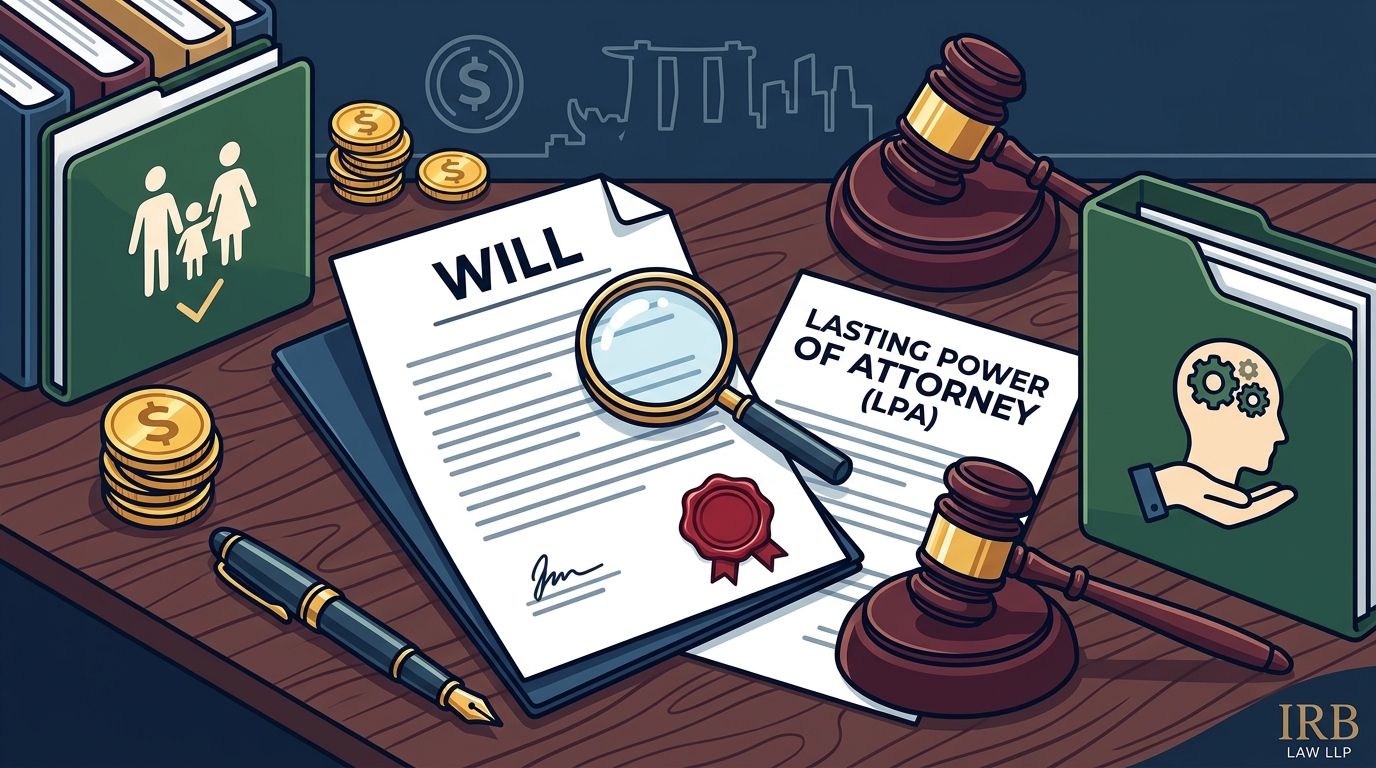
Before diving into the drafting process, it is critical to distinguish between the two primary estate planning instruments available in Singapore. A Will is a legal document that dictates how your assets are distributed after your death. It only takes effect upon your demise. In contrast, a Lasting Power of Attorney (LPA) is a legal document that allows you (the donor) to appoint one or more persons (the donees) to make decisions on your behalf if you lose mental capacity. The LPA operates during your lifetime, covering both financial and personal welfare matters.
While a Will deals with the posthumous distribution of your estate, the LPA ensures that your bills are paid, your property is managed, and your medical care is decided while you are still alive but unable to communicate. Both documents are essential components of a comprehensive estate plan. For those interested in the broader context of financial security, understanding banking scams is also vital, as fraud can deplete the very assets you aim to protect.
Step 1: Assess Your Assets and Liabilities
The first practical step in drafting either document is a comprehensive audit of your financial landscape. You must catalog all tangible and intangible assets. This includes HDB flats, private properties, bank accounts, CPF balances, insurance policies, and investments. Equally important is listing your liabilities, such as outstanding mortgages, personal loans, and credit card debts.
For a Will, this assessment helps you determine who gets what. For an LPA, it helps your donees understand the scope of their authority. If you have complex assets, such as shares in private companies or business interests, you may need specialized advice. IRB Law offers expert legal counsel to navigate these complexities, ensuring your business interests are protected alongside your personal wealth.
Step 2: Choose Your Executors and Donees
Choosing the right people to manage your estate or make decisions for you is arguably the most critical emotional and logistical step. For a Will, you must appoint an Executor. This person will administer your estate, pay your debts, and distribute your assets according to your Will. For an LPA, you appoint Donees. These individuals will manage your finances and/or make personal welfare decisions.
When selecting these individuals, consider their reliability, financial acumen, and willingness to serve. It is often wise to appoint at least two co-executors or co-donees to provide checks and balances. You can also appoint a professional trustee or corporate trustee, particularly for large or complex estates. If you are unsure who to choose, consulting with experienced lawyers can provide clarity on the qualities required for these pivotal roles.
Step 3: Drafting the Document
Once you have your asset list and chosen your representatives, you can proceed to drafting. You have two primary options: DIY kits or professional drafting.
Option A: DIY Will Kits
The Law Society of Singapore provides a standard Will kit for residents. This is a cost-effective option for individuals with simple estates, such as a single property and straightforward bank accounts. The kit includes a template and instructions. However, DIY kits do not account for complex tax implications, cross-border assets, or specific family dynamics.
Option B: Professional Legal Drafting
For most individuals, especially those with blended families, business interests, or significant assets, professional drafting is strongly recommended. A lawyer ensures that the Will is legally robust, minimizes potential disputes, and optimizes tax efficiency. Similarly, for an LPA, while you can fill out the form yourself, having a lawyer review it ensures that your specific wishes are clearly articulated and legally enforceable. IRB Law provides comprehensive estate planning services tailored to individual needs.
Step 4: Execution and Witnessing
The validity of both a Will and an LPA hinges on strict execution formalities. Failure to follow these steps can render the document void.
Executing a Will
Under the Wills Act in Singapore, a Will must be in writing and signed by the testator (the person making the Will) at the end of the document. Crucially, the testator must sign in the presence of two witnesses who are present at the same time. Both witnesses must also sign the Will in the presence of the testator. Beneficiaries and their spouses cannot act as witnesses. If a beneficiary witnesses the Will, they lose their right to inherit under that Will.
Executing an LPA
The LPA process is more rigorous. You must complete the LPA form, which includes details of your donees and certificate providers. You must then attend a mandatory interview with a Certificate Provider, who verifies that you understand the LPA and are not under undue pressure. Finally, the LPA must be registered with the Office of the Public Guardian (OPG). OPG registration is a legal requirement before the LPA can take effect.
Step 5: Registration and Safe Storage
After execution, the final step is secure storage. For a Will, keep the original in a safe place, such as a bank safe deposit box or with your lawyer. Inform your executor of its location. For an LPA, once registered with the OPG, you will receive a certified copy. Keep this in a secure but accessible location. Ensure your donees know where to find it, as they will need to present it to banks or healthcare providers when the time comes.
Regular reviews are also essential. Life events such as marriage, divorce, birth of children, or acquisition of new assets should trigger a review of your Will or LPA. IRB Law offers ongoing estate planning support to ensure your documents remain current and effective.
Key Takeaways
- Will vs. LPA: A Will handles asset distribution after death, while an LPA manages decisions during life if you lose capacity.
- Asset Assessment: Catalog all assets and liabilities to determine the scope of your estate plan.
- Executor/Donee Selection: Choose trusted, capable individuals or professionals to act on your behalf.
- Strict Execution: Wills require two non-beneficiary witnesses; LPAs require OPG registration and certificate provider interviews.
- Professional Advice: Complex estates benefit significantly from lawyer-drafted documents to avoid disputes and tax inefficiencies.
- Regular Reviews: Update your documents after major life events to ensure they reflect your current wishes.
- Secure Storage: Keep originals safe and ensure key parties know their location.
Frequently Asked Questions
Can I draft my own Will in Singapore?
Yes, you can use the Law Society of Singapore's standard Will kit for simple estates. However, for complex assets or specific family dynamics, professional drafting is recommended to ensure legal validity and tax efficiency.
What is the cost of registering an LPA in Singapore?
The registration fee for an LPA is $50 per donee. If you have multiple donees, you pay the fee for each. There are also fees for the certificate provider and legal drafting if you choose professional services.
Can a beneficiary witness a Will?
No, a beneficiary or their spouse cannot act as a witness to a Will. If they do, they forfeit their inheritance under that Will, although the Will itself remains valid.
How often should I review my Will?
It is advisable to review your Will every three to five years or after any major life event, such as marriage, divorce, birth of a child, or significant change in assets.
What happens if I die without a Will in Singapore?
If you die intestate (without a Will), your assets are distributed according to the Intestate Succession Act. This may not align with your wishes, especially if you have a blended family or non-relative dependents.
Can I cancel an LPA?
Yes, you can cancel an LPA as long as you have mental capacity. You must notify the Office of the Public Guardian and your donees in writing. If you have lost capacity, the LPA cannot be cancelled by you.
Do I need a lawyer for an LPA?
While not legally required, having a lawyer review your LPA ensures that your wishes are clearly articulated and legally enforceable. It also helps prevent future disputes among family members.
Secure Your Legacy Today
Do not leave your family's future to chance. Whether you need to draft a comprehensive Will or a robust Lasting Power of Attorney, IRB Law LLP is here to guide you through every step. Our team of experienced lawyers provides personalized advice to ensure your estate plan is legally sound and tailored to your unique needs. Contact us today to schedule a consultation and take control of your legacy. Visit our contact page to get started.