
Drafting a Legally Binding Will or Lasting Power of Attorney in Singapore: A Step-by-Step Guide
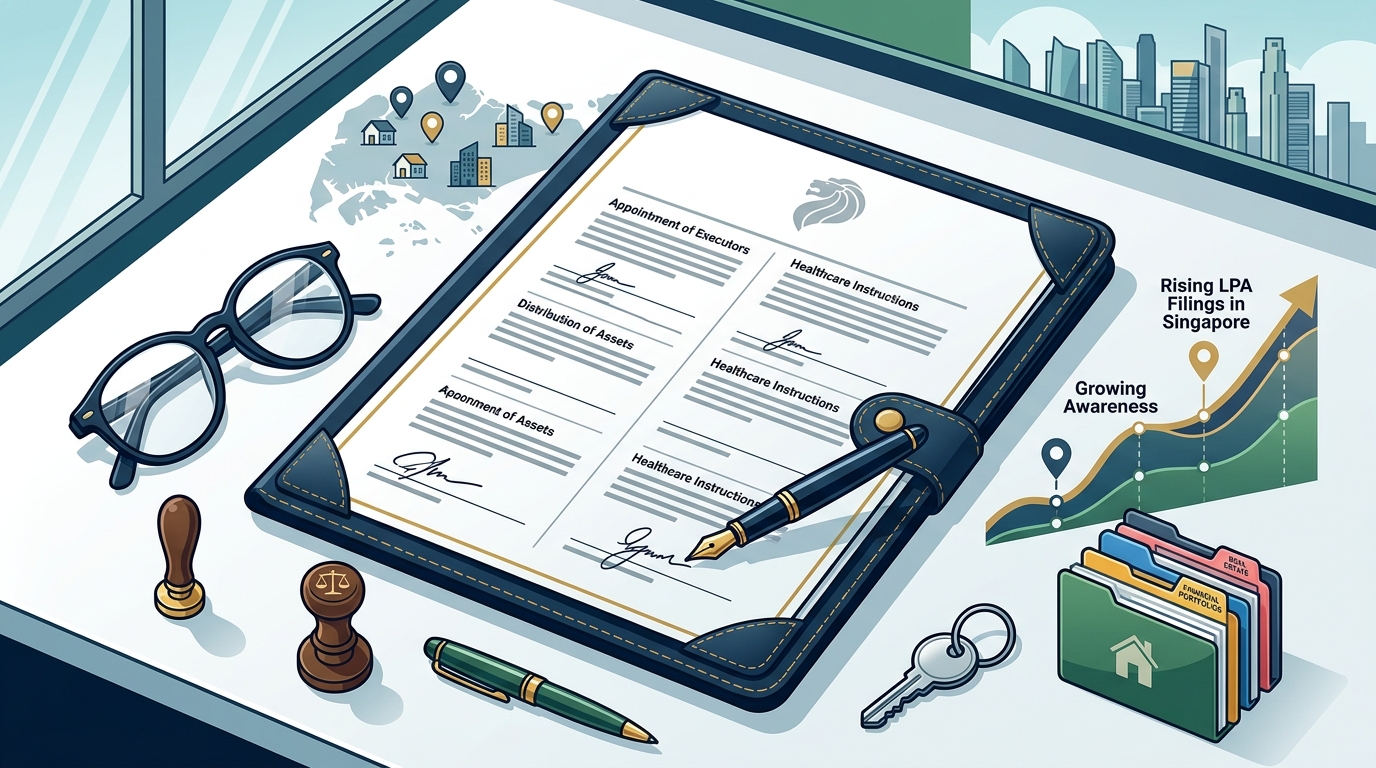
Establishing a Lasting Power of Attorney (LPA) or a Will is not merely an administrative task; it is a critical component of personal and financial security. According to recent data, the number of LPAs filed in Singapore has surged significantly, reflecting a growing awareness among citizens about the importance of mental capacity planning. However, many individuals still make costly errors during the drafting process, leading to disputes or invalid documents. This guide outlines the precise steps to ensure your legal instruments are robust, compliant, and enforceable under Singapore law.
Understanding the Lasting Power of Attorney
Before diving into the drafting process, it is essential to define what an LPA is. Lasting Power of Attorney is a legal document that allows you (the donor) to appoint one or more persons (the donees) to make decisions on your behalf if you lose mental capacity. This framework is governed by the Mental Capacity Act 2008 in Singapore.
The LPA covers two distinct areas of decision-making:
- Personal Welfare: Decisions regarding healthcare, daily routine, and where you live.
- Property and Affairs: Decisions regarding your finances, property, and investments.
Unlike a Will, which only takes effect upon your death, an LPA can be used while you are still alive but lack the mental capacity to make decisions. This makes it a proactive tool for estate planning. For more insights on estate planning, you can explore our Estate Planning services.
Step 1: Drafting the Lasting Power of Attorney
The first step in securing your future is drafting the LPA document itself. In Singapore, you cannot simply write a custom letter and sign it. You must use the official LPA forms prescribed by the Office of the Public Guardian (OPG).
Choosing the Right Form
There are two main forms:
- Form 1: For donors who wish to restrict the donee's powers regarding personal welfare matters.
- Form 2: For donors who do not wish to restrict the donee's powers.
When drafting the content, you must clearly specify the powers you are granting. You can also include specific instructions or conditions. For example, you might specify that your donee cannot sell your home unless certain medical conditions are met. If you need help navigating these complex options, our team of lawyers can provide tailored advice.
Step 2: The Certificate Issuer Requirement
A common misconception is that signing the document is enough. Singapore law mandates that a Certificate Issuer must certify the LPA before it can be registered. Certificate Issuer is a person who confirms that you understand the LPA and are not being forced or coerced into making it.
The Certificate Issuer must be one of the following:
- A registered medical practitioner.
- A psychologist.
- A legal practitioner.
- A person nominated by you in the LPA form.
This step is crucial for preventing elder abuse and ensuring that the donor's intentions are genuine. The Certificate Issuer will interview you to assess your mental capacity and understanding of the document. If you are unsure about the process, you can refer to the Counselling Help resources provided by legal professionals.
Step 3: Registering with the OPG
Once the LPA is signed by you, your donee(s), and the Certificate Issuer, the next step is registration. The LPA only becomes effective upon registration with the OPG.
The Registration Process
- Application: The donee must apply for registration within three years from the date the Certificate Issuer signed the form.
- Notification: You must be notified of the application. If you object, the OPG will investigate.
- Approval: If all requirements are met, the OPG will register the LPA.
Failure to register the LPA means it cannot be used, even if you have lost mental capacity. This is why timely action is critical. For more information on legal procedures, visit our Personal Legal Procedures page.
Step 4: Drafting a Legally Binding Will
While an LPA deals with incapacity, a Will deals with death. A Will is a legal document that outlines how your assets and affairs should be distributed after your death. Without a Will, your estate will be distributed according the Intestate Succession Act, which may not align with your wishes.
Key Components of a Will
To draft a valid Will, you must include:
- Revocation Clause: Stating that this Will revokes all previous Wills.
- Appointment of Executors: People who will manage your estate.
- Appointment of Guardians: If you have minor children.
- Specific Bequests: Specific items or amounts given to specific individuals.
- Residuary Clause: Distribution of remaining assets.
It is highly recommended to seek professional assistance when drafting a Will, especially if your estate is complex. Our Probate & Letters of Administration Services can help ensure your Will is watertight.
Step 5: Execution and Witnessing
Drafting the content is only half the battle. The execution of a Will in Singapore must follow strict formalities under the Wills Act.
The Execution Process
- Signing: You must sign the Will at the end of the document.
- Witnessing: Two witnesses must be present at the same time. They must watch you sign, and then they must sign in your presence.
- Competency: Witnesses must be competent adults (over 18) and not beneficiaries of the Will.
If these steps are not followed correctly, the Will may be deemed invalid. This can lead to lengthy and expensive litigation. For guidance on Will Writing, consult with experienced legal practitioners.
Key Takeaways
- LPA vs. Will: An LPA is for mental incapacity during your lifetime, while a Will is for asset distribution after death.
- Official Forms: You must use OPG-prescribed forms for LPAs; custom drafts are invalid.
- Certificate Issuer: A mandatory third-party verification is required for LPA validity.
- Registration: LPAs must be registered with the OPG to be effective.
- Witnessing: Wills require two independent witnesses present simultaneously.
- Professional Advice: Complex estates benefit significantly from legal counsel.
- Regular Reviews: Update your LPA and Will after major life events.
Frequently Asked Questions
Can I draft my own Will in Singapore?
Yes, you can draft your own Will, but it must strictly adhere to the formalities of the Wills Act. Errors in execution can render it invalid. Professional drafting ensures compliance and clarity.
What happens if I do not have an LPA?
If you lose mental capacity without an LPA, your family must apply to the State Courts for a Deputyship order. This process is time-consuming, expensive, and stressful.
Who can be a Certificate Issuer for an LPA?
A Certificate Issuer can be a registered medical practitioner, a psychologist, a legal practitioner, or a person nominated by you in the LPA form who has known you for at least two years.
How long does it take to register an LPA?
The OPG typically takes about four to six weeks to process an LPA application, provided all documents are in order and there are no objections.
Can I change my Will after it is signed?
Yes, you can change your Will at any time as long as you have mental capacity. You can create a Codicil (an amendment) or draft a new Will that revokes the previous one.
Is a Will public record in Singapore?
No, a Will is not a public document in Singapore. It is only made available to the executors and beneficiaries upon probate application.
What is the cost of drafting a Will?
Costs vary depending on the complexity of the estate. Simple Wills may cost less, while complex estates with trusts or business interests require more extensive legal work.
Secure Your Future Today
Do not leave your family's future to chance. Whether you need to draft a Lasting Power of Attorney or a comprehensive Will, professional legal guidance is essential. Contact IRB Law LLP today to schedule a consultation. Our team is dedicated to providing trust, integrity, and results in all your legal matters.