

Drafting a Legally Binding Will or Lasting Power of Attorney in Singapore: A Step-by-Step Guide
Establishing a robust legal framework for your future is not merely an administrative task; it is a critical act of care for your loved ones. In Singapore, the legal landscape for estate planning and mental capacity is governed by strict statutory requirements. According to recent data, the average individual faces significant risks when attempting to navigate these processes without professional guidance, often resulting in contested estates or frozen assets. This guide details the precise steps to draft a legally binding Will or Lasting Power of Attorney (LPA), ensuring your wishes are honored and your family is protected from unnecessary legal battles. (Cross Border Money Transfers)
Understanding the Basics: Will vs. LPA
Before diving into the drafting process, it is essential to distinguish between the two primary instruments of estate and capacity planning. Probate is the legal process through which a deceased person's Will is validated and their estate is administered. Lasting Power of Attorney is a legal document that allows you (the donor) to appoint one or more persons (the attorneys) to make decisions on your behalf if you lose mental capacity.
A Will only takes effect upon your death. It dictates how your assets are distributed. In contrast, an LPA takes effect while you are still alive but lacks mental capacity. It covers personal welfare and property/financial affairs. Without an LPA, your family must apply to the State Courts for a Deputyship order, a process that is costly, time-consuming, and stressful. For more details on the differences, you can explore our estate planning services.
Step 1: Drafting Your Will
Drafting a Will in Singapore requires adherence to the Wills Act 1837. While you can draft a Will yourself, the margin for error is slim. A single technical flaw can render the entire document invalid, leading to intestacy laws applying instead of your wishes.
Identifying Your Assets and Beneficiaries
The first step is to compile a comprehensive inventory of your assets. This includes real estate, bank accounts, investments, and personal belongings. You must also identify your beneficiaries clearly. Ambiguity in beneficiary names or descriptions can lead to disputes. If you have specific items to leave to specific people, list them explicitly. For complex assets, consider the implications of probate and letters of administration.
Appointing an Executor
Your executor is the person responsible for carrying out the instructions in your Will. They will handle the payment of debts, taxes, and the distribution of assets. Choose someone trustworthy, organized, and willing to take on this responsibility. It is common to appoint a professional executor or a law firm to ensure impartiality and efficiency.
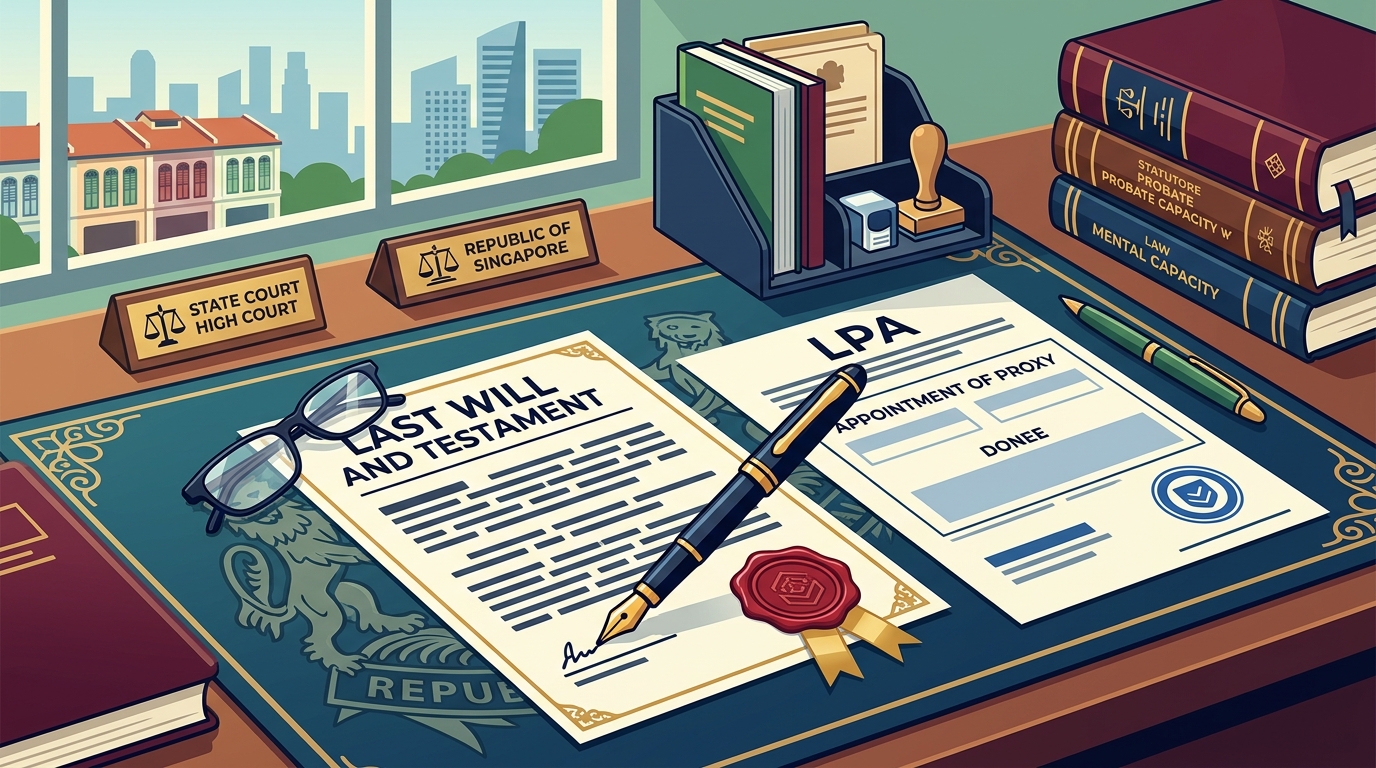
Writing the Will
The Will must be in writing. It should clearly state that this document revokes all previous Wills and codicils. It must include the date of execution. While not strictly required by law, including a clause regarding the payment of debts and funeral wishes is highly recommended for clarity.
Step 2: Executing Your Will Correctly
Drafting is only half the battle. Execution is where most DIY Wills fail. The Wills Act mandates strict formalities for a Will to be legally binding.
The Signing Process
You must sign the Will at the end of the document. If you are unable to sign, another person can sign on your behalf, but this must be done at your direction and in your presence. Crucially, the signing must take place in the presence of two witnesses who are present at the same time.
Witness Requirements
Your witnesses must be competent adults. They must watch you sign the Will, and then they must sign the Will in your presence and in the presence of each other. Beneficiaries and their spouses cannot act as witnesses. If a beneficiary witnesses the Will, they lose their right to inherit under that Will. This is a critical rule that often invalidates parts of a Will.
Safekeeping
Once executed, the original Will must be stored safely. Inform your executor of its location. Consider using a professional safe deposit box or having your law firm hold the original. For guidance on secure storage, review our will writing resources.
Step 3: Drafting Your Lasting Power of Attorney
The LPA framework in Singapore is governed by the Mental Capacity Act 2008. The process is more structured than drafting a Will because it involves specific forms and mandatory safeguards.
Choosing Your Attorneys
You can appoint up to four attorneys. You can choose to have them act jointly (all must agree) or jointly and severally (any one can act independently). Most people choose jointly and severally for flexibility. You can also appoint replacement attorneys in case your first choices are unable to act.
Choosing Your Perpetual Attorney
You must appoint a perpetual attorney. This person is not an attorney but a trusted individual who will oversee the attorneys and ensure they act in your best interests. They receive copies of all reports and have the power to report concerns to the Office of the Public Guardian.
Completing the LPA Form
You must use the official LPA forms prescribed by the Ministry of Law. There are different forms for property/financial affairs and personal welfare. You must fill out the form in English, Malay, Mandarin, or Tamil. The form includes specific instructions and conditions you can add to restrict or guide your attorneys.
Step 4: Registering Your LPA
An LPA is not legally effective until it is registered with the Office of the Public Guardian (OPG). This is a mandatory step that many people overlook.
The Certification Process
Before submitting the LPA, it must be certified. You can choose a certified certifier, which is usually a medical practitioner or a lawyer. The certifier must confirm that you understand the LPA and are not under any duress or undue influence. This step is crucial for preventing fraud and ensuring your mental capacity at the time of creation.
Submission and Registration
Submit the certified LPA form to the OPG along with the required fee. The OPG will review the application for completeness and compliance. If approved, the LPA is registered and becomes legally effective. You can choose when it becomes effective: immediately upon registration or only when you lose mental capacity. For more on the legal steps, see our insights on legal procedures.
Costs and Timeline
Registration fees apply and are subject to change. The process can take several weeks. Ensure you start early to avoid delays in case of emergency. For current fee structures, check the Ministry of Manpower or Ministry of Finance guidelines.
Key Takeaways
- Will Validity: A Will must be signed by the testator in the presence of two witnesses who are present simultaneously. Beneficiaries cannot witness.
- LPA Certification: An LPA requires certification by a medical practitioner or lawyer to confirm mental capacity and absence of duress.
- Registration is Mandatory: An LPA is not effective until registered with the Office of the Public Guardian (OPG).
- Perpetual Attorney: Every LPA must appoint a perpetual attorney to oversee the attorneys and protect the donor's interests.
- Intestacy Risks: Dying without a Will means your assets are distributed according to the Intestate Succession Act, which may not reflect your wishes.
- Deputyship Complexity: Without an LPA, your family must apply for Deputyship, which is a court process that can take months and incur significant legal fees.
- Professional Review: Complex family structures or business interests require professional legal advice to ensure your Will or LPA is robust and unchallengeable.
Frequently Asked Questions
Can I draft my own Will in Singapore?
Yes, you can draft your own Will, but it must strictly comply with the Wills Act 1837. Any deviation from the formal requirements, such as improper witnessing, can render the Will invalid. Professional review is highly recommended to avoid costly errors.
How long does it take to register an LPA?
The registration process with the Office of the Public Guardian typically takes several weeks. It involves certification, submission, and review. Starting the process early is advisable to ensure it is in place when needed.
What happens if I die without a Will in Singapore?
If you die without a Will, your estate is distributed according to the Intestate Succession Act. This law dictates a fixed order of distribution among your spouse, children, parents, and siblings, which may not align with your personal wishes.
Can I change my Will after it is signed?
Yes, you can change your Will at any time as long as you have mental capacity. You can create a new Will, which revokes the old one, or add a codicil for minor changes. A new Will is generally safer and clearer.
Who can be a witness to my Will?
Any competent adult (over 18 years old) can be a witness, provided they are not a beneficiary in the Will or the spouse of a beneficiary. Witnesses must be present at the same time when you sign the Will.
What is the role of a perpetual attorney in an LPA?
A perpetual attorney is a trusted person who oversees the attorneys. They receive copies of all reports and have the power to report any concerns to the Office of the Public Guardian. They do not make decisions on your behalf but ensure the attorneys act in your best interests.
Do I need a lawyer to draft an LPA?
While you can draft an LPA yourself using the official forms, the certification process requires a medical practitioner or lawyer. Many people choose to engage a lawyer to ensure the form is filled out correctly and to provide legal advice on the implications of the LPA.
Secure Your Legacy Today
Do not leave your family's future to chance. The legal requirements for drafting a Will or LPA are precise, and the consequences of error are severe. IRB Law LLP provides expert guidance in estate planning, will writing, and lasting power of attorney registration. Our team ensures your documents are legally sound and tailored to your unique circumstances. Contact us today to schedule a consultation and protect what matters most. Visit our contact page to get in touch with our experienced lawyers.